
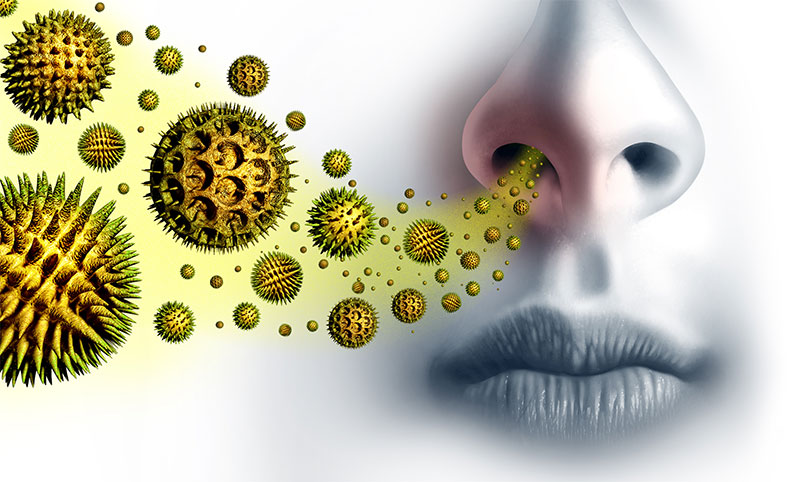
What is Allergy?
Allergies occur when your immune system reacts to a foreign substance — such as pollen, bee venom or pet dander — or a food that doesn’t cause a reaction in most people.
Your immune system produces substances known as antibodies. When you have allergies, your immune system makes antibodies that identify a particular allergen as harmful, even though it isn’t. When you come into contact with the allergen, your immune system’s reaction can inflame your skin, sinuses, airways or digestive system.
The severity of allergies varies from person to person and can range from minor irritation to anaphylaxis — a potentially life-threatening emergency. While most allergies can’t be cured, treatments can help relieve your allergy symptoms.
-Hydrogen and its anti-allergic properties.
Hydrogen has anti-oxidative, anti-inflammatory, anti-apoptotic and anti-allergic properties.
Hydrogen attenuates the phosphorylation of the Fcε receptors on the mast cells. This in turn abolishes the signal transduction and leads to inhibition of the activity of NADPH oxidase subsequently reducing the formation of inflammatory substances. Hydrogen was found to inhibit the activity of all the molecules involved in this pathway. Therefore it was found that hydrogen acts to counteract allergic reactions by modulating specific signaling pathways.
Thus drinking hydrogen rich water may be an effective way of fighting against a wide range of allergic diseases such as allergic rhinitis, hay fever, conjunctivitis and bronchial asthma in humans. Most drugs act on specific target sites. However hydrogen differs from the conventional medicines, it can reach any site of the cells and exert its effects by a combination of changed pathways. Although it is very effective, it has no known adverse effects. Therefore hydrogen has the potential to become a novel drug.





 WhatsApp us