
fbpx Skip to main contentSkip to footer

HISTORY

HOW DID WE GET HERE?

The History Of H2 As A Medical Gas

The Complete History of Molecular Hydrogen: From Discovery to Modern Scientific Understanding

Introduction

Hydrogen is the most abundant element in the universe and the simplest element on the periodic table. Every water molecule contains hydrogen. Every living organism depends on hydrogen-containing compounds for survival. Despite its fundamental importance, hydrogen’s potential role in science, industry, energy production, and human health has only gradually been understood over the past five centuries.

Today, molecular hydrogen (H₂) is one of the most extensively researched subjects in wellness science and medical research. Thousands of scientific papers have been published investigating hydrogen’s biological effects, safety profile, and potential applications across numerous physiological systems. However, the story of molecular hydrogen began long before modern laboratories, clinical trials, and advanced electrolysis technology.

The history of hydrogen is a fascinating journey spanning more than 500 years. It involves pioneering chemists, accidental discoveries, revolutionary scientific breakthroughs, deep-sea divers, medical researchers, and modern scientists who transformed hydrogen from a mysterious gas into one of the most promising subjects in contemporary research.

Understanding this history provides valuable insight into why hydrogen has become such an important area of scientific interest today.


The Early Discovery of Hydrogen (1520)

The earliest known observations of hydrogen can be traced back to the early sixteenth century.

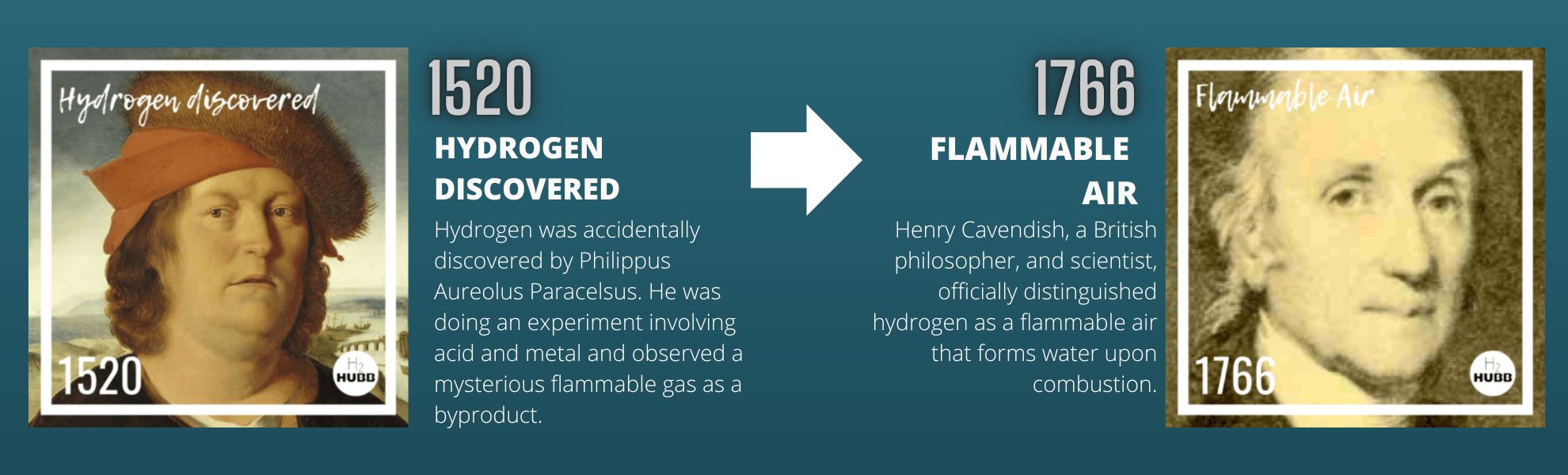
In approximately 1520, the Swiss physician, alchemist, and philosopher Philippus Aureolus Theophrastus Bombastus von Hohenheim, better known as Paracelsus, conducted experiments involving metals and acids. During these experiments, he noticed the formation of an unusual gas.

At the time, the scientific understanding of chemistry was extremely limited. Modern concepts such as elements, molecules, atoms, and gases had not yet been developed. Researchers often described observations using the language of alchemy rather than modern chemistry.

Paracelsus did not know he had observed hydrogen. Nevertheless, his experiments are now recognized as among the earliest documented encounters with hydrogen gas.

When certain metals react with acids, hydrogen gas is released. What Paracelsus observed was the production of this highly flammable gas as a byproduct of chemical reactions.

Although he could not fully explain the phenomenon, his observations laid the foundation for future discoveries.

This moment represents one of the earliest chapters in the scientific history of hydrogen.


The Scientific Revolution and the Birth of Modern Chemistry

The sixteenth and seventeenth centuries witnessed dramatic advances in scientific thinking.

Researchers gradually moved away from mystical explanations and began adopting systematic experimentation and observation. This transformation, often referred to as the Scientific Revolution, created the intellectual environment necessary for understanding gases and chemical elements.

Scientists increasingly focused on measuring, testing, recording, and verifying observations. This approach ultimately led to the development of modern chemistry.

Hydrogen would soon become one of the most important discoveries of this new scientific era.


Henry Cavendish and the Discovery of Flammable Air (1766)

One of the most important milestones in hydrogen history occurred in 1766.

British scientist Henry Cavendish conducted a series of experiments investigating gases produced during chemical reactions between acids and metals.

Cavendish carefully collected and studied the gas that formed during these reactions. He observed several remarkable properties.

The gas was:

• Extremely light

• Highly flammable

• Different from ordinary air

• Produced water when burned

Cavendish referred to this substance as “flammable air.”

His research demonstrated that this gas was a unique substance rather than a variation of ordinary air.

This discovery represented a major breakthrough because it established hydrogen as a distinct chemical entity.

Although the name “hydrogen” had not yet been created, Cavendish’s work provided the scientific foundation for its future identification.

Many historians consider Cavendish’s experiments to be the true beginning of modern hydrogen science.


Hydrogen and the Formation of Water

One of Cavendish’s most important discoveries was the relationship between hydrogen and water.

Through experimentation, he demonstrated that burning hydrogen produced water.

This observation challenged existing theories and transformed scientific understanding.

At the time, many researchers believed water was an elemental substance that could not be broken down into simpler components.

Cavendish’s experiments suggested something very different.

His findings ultimately contributed to the realization that water is not an element but a compound composed of hydrogen and oxygen.

This discovery fundamentally changed chemistry.

Today, we know that every water molecule consists of two hydrogen atoms bonded to one oxygen atom, forming H₂O.

The relationship between hydrogen and water would later become central to hydrogen water research and electrolysis technology.


Antoine Lavoisier and the Naming of Hydrogen

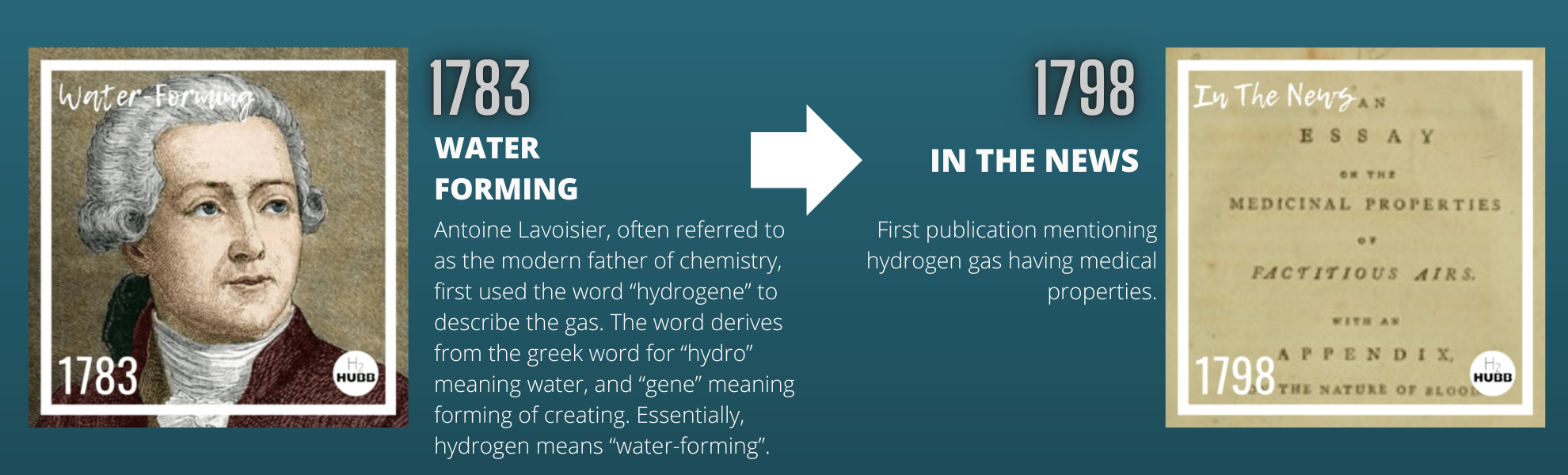
While Cavendish identified flammable air, it was French chemist Antoine Lavoisier who gave hydrogen its modern name.

Lavoisier is often referred to as the Father of Modern Chemistry because of his enormous contributions to chemical science.

Building upon Cavendish’s work, Lavoisier demonstrated that water consisted of hydrogen and oxygen.

Recognizing hydrogen’s role in water formation, he named the gas “hydrogen.”

The term originates from Greek words meaning “water former.”

Hydro means water.

Genes means creator or producer.

Thus, hydrogen literally means “water producer.”

The name remains scientifically accurate today because hydrogen is an essential component of water.

Lavoisier’s work transformed chemistry and helped establish the modern understanding of elements and compounds.

His contributions remain among the most important achievements in scientific history.


Hydrogen and the Development of Atomic Theory

The nineteenth century brought further advances in scientific understanding.

Chemists increasingly sought to understand the fundamental structure of matter.

Among the most important developments was the emergence of atomic theory.

Scientists such as John Dalton proposed that matter consists of tiny particles called atoms.

Hydrogen became central to these discussions because it was recognized as the lightest known element.

For many years, hydrogen served as a reference point for determining atomic weights.

Its simplicity made it a cornerstone of early atomic research.

As chemistry advanced, hydrogen continued to play a critical role in understanding chemical reactions, molecular structure, and the behavior of matter.


Hydrogen in Industry and Technology

Throughout the nineteenth century, hydrogen found increasing applications beyond laboratory research.

Its unique properties attracted interest in multiple industries.

Hydrogen was used in:

• Scientific experiments

• Gas balloons

• Early airships

• Chemical manufacturing

• Industrial processes

Its low density made it particularly attractive for lifting applications.

Large hydrogen-filled balloons demonstrated the remarkable lightness of the gas.

Although later replaced by safer alternatives in many applications, hydrogen’s role in early aviation highlighted its extraordinary physical properties.

These developments further increased scientific interest in hydrogen and expanded understanding of its practical uses.


Why Hydrogen Is Unique

Among all elements, hydrogen possesses several characteristics that make it scientifically remarkable.

Hydrogen is:

• The lightest element

• The simplest element

• The most abundant element in the universe

• Present in water

• Present in living organisms

• Essential for biological processes

Stars, including our sun, derive their energy from hydrogen fusion.

Hydrogen is found throughout the cosmos and throughout the human body.

Its universal presence has made hydrogen one of the most important substances in scientific research.

Modern investigations continue to reveal new insights into its properties and applications.


The Evolution of Hydrogen Research

By the late nineteenth century, scientists had established many of hydrogen’s physical and chemical properties.

However, its potential biological significance remained largely unexplored.

Most researchers viewed hydrogen primarily as:

• A chemical element

• An industrial gas

• A scientific curiosity

Few suspected that hydrogen might eventually become the focus of medical and biological research.

This perception would gradually change during the twentieth century.

New discoveries would reveal that hydrogen’s role extended far beyond chemistry and physics.

These developments would ultimately lead to one of the most exciting scientific fields of the modern era.


The Foundation for Future Discoveries

The discoveries made between 1520 and the late nineteenth century established the foundation upon which modern hydrogen research would be built.

Paracelsus observed hydrogen without understanding its nature.

Cavendish identified it as a unique flammable gas.

Lavoisier named it and explained its relationship to water.

Nineteenth-century scientists integrated hydrogen into atomic theory and modern chemistry.

Together, these contributions transformed hydrogen from an unexplained observation into one of the most important elements in science.

The next phase of hydrogen history would reveal something even more remarkable.

Researchers would begin investigating whether molecular hydrogen might have biological and medical significance.

These investigations would eventually lead to deep-sea diving applications, early medical experiments, and groundbreaking discoveries that continue to influence hydrogen science today.

The story of molecular hydrogen was only beginning.

Part 2: Hydrogen as Medicine – The Forgotten Discoveries (1888–1975)

Introduction

Today, molecular hydrogen is widely recognized as one of the fastest-growing fields in wellness and medical research. Thousands of scientific studies have explored hydrogen’s biological activities, safety profile, antioxidant potential, and physiological effects.

However, few people realize that hydrogen’s medical history extends back more than 130 years.

Long before hydrogen-rich water, hydrogen inhalation therapy, molecular hydrogen institutes, and modern clinical trials existed, pioneering physicians and researchers were already investigating the potential role of hydrogen in medicine.

The period between 1888 and 1975 represents one of the most fascinating yet overlooked chapters in hydrogen history.

These early discoveries established the foundation for modern hydrogen medicine and demonstrated an extraordinary safety profile that continues to influence hydrogen research today.


1888 – One of the First Medical References to Hydrogen

Dr. Nicholas Senn and the Annals of Surgery

One of the earliest documented connections between hydrogen and medicine appeared in 1888.

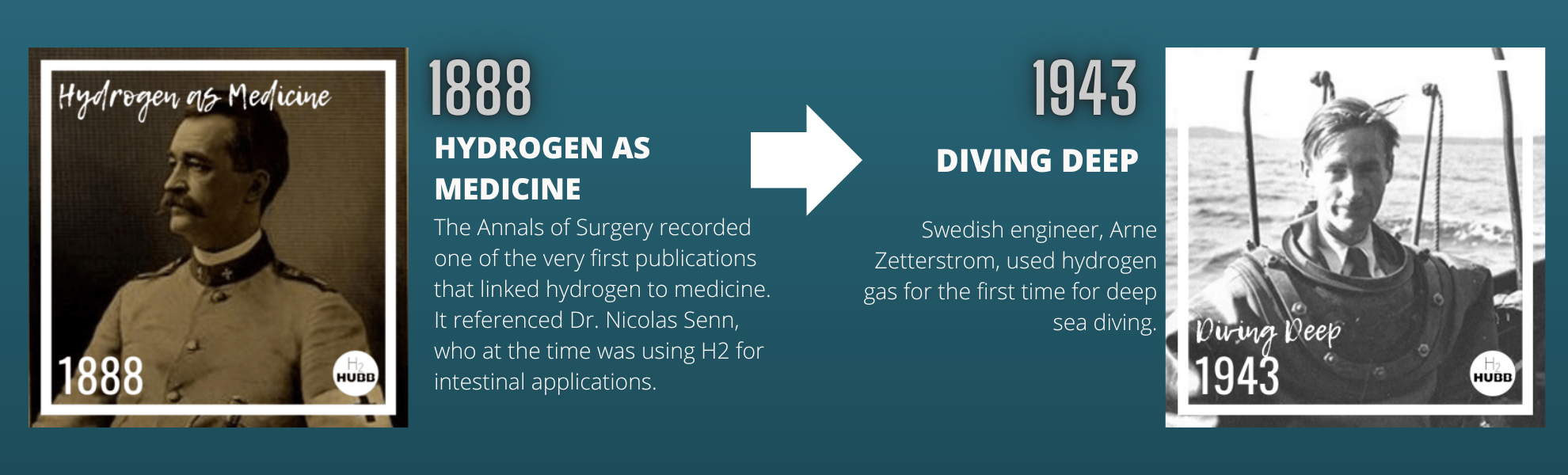
The prestigious medical journal Annals of Surgery published information involving the work of Dr. Nicholas Senn, a highly respected American surgeon and medical researcher.

At a time when medical imaging technologies such as CT scans, MRI systems, ultrasound devices, and endoscopy did not exist, physicians faced enormous challenges when diagnosing intestinal disorders.

Doctors needed new methods to investigate internal structures without invasive surgery.

Dr. Senn developed an innovative approach involving hydrogen gas.

His research involved introducing hydrogen gas into the gastrointestinal tract and observing its movement.

This allowed physicians to evaluate intestinal perforations and other abnormalities more effectively.

While these procedures were entirely different from modern hydrogen research, they represented one of the earliest documented medical applications involving hydrogen gas.

The significance of Dr. Senn’s work extends beyond the specific technique itself.

His research demonstrated several important concepts:

• Hydrogen could be safely introduced into the body.

• Physicians were willing to investigate hydrogen medically.

• Hydrogen possessed properties useful for clinical applications.

• Medical researchers recognized hydrogen’s unique characteristics.

Although molecular hydrogen would not become a major research field for many decades, these early experiments marked an important milestone.

Hydrogen had officially entered the world of medicine.


Why Hydrogen Was Considered Safe

Unique Physical Properties

One reason hydrogen attracted scientific interest was its unusual physical behavior.

Hydrogen is:

• Colorless

• Odorless

• Tasteless

• Non-toxic

• Extremely small

• Highly diffusible

Because hydrogen molecules are exceptionally small, they move rapidly through gases, liquids, and biological tissues.

Researchers quickly recognized that hydrogen could travel efficiently through confined spaces and biological systems.

This property made hydrogen useful not only in medicine but also in engineering, diving, aerospace research, and industrial applications.

As scientists gained experience working with hydrogen, confidence in its safety profile gradually increased.

This would later become one of the most important advantages of molecular hydrogen research.


Hydrogen’s Long Period of Scientific Obscurity

The Forgotten Decades

Despite the pioneering work of Dr. Senn and other early investigators, hydrogen did not immediately become a major focus of medical science.

For much of the late nineteenth and early twentieth centuries, researchers concentrated on other emerging discoveries.

Medical science was rapidly advancing through:

• Germ theory

• Antibiotics

• Vaccination

• Surgical innovation

• Radiology

• Pharmaceutical development

As a result, hydrogen remained largely overlooked.

For decades, the scientific community viewed hydrogen primarily as:

• A chemical element

• An industrial gas

• A fuel source

• A laboratory tool

Its potential biological significance remained largely unexplored.

However, events occurring in the world of deep-sea diving would soon reignite scientific interest in hydrogen.


1943 – Hydrogen Goes Deep

Arne Zetterström and Deep-Sea Diving

One of the most remarkable figures in hydrogen history was Swedish engineer and diver Arne Zetterström.

In the early twentieth century, deep-sea diving presented enormous challenges.

Divers descending to extreme depths encountered severe physiological problems caused by pressure and gas behavior.

These included:

• Nitrogen narcosis

• Oxygen toxicity

• Decompression sickness

• Neurological complications

Researchers searched for alternative breathing mixtures that could improve diver safety.

Hydrogen emerged as a promising candidate.

Hydrogen possesses an extremely low density compared with many other gases.

This characteristic reduces breathing resistance under high pressure conditions.

Arne Zetterström became one of the first individuals to successfully use hydrogen-containing breathing mixtures during deep-sea diving operations.

His pioneering work demonstrated that hydrogen could function effectively in extreme environments.

These experiments significantly expanded scientific understanding of hydrogen physiology.

More importantly, they provided evidence that humans could safely inhale substantial quantities of hydrogen gas under controlled conditions.


Hydrogen and Extreme Environments

Expanding Scientific Knowledge

The diving community’s experience with hydrogen revealed several important observations.

Hydrogen inhalation could occur:

• Over extended periods

• At elevated pressures

• In challenging physiological conditions

• Without significant toxicity

This was a critical discovery.

Many gases become problematic or dangerous when inhaled under pressure.

Hydrogen displayed an unexpectedly favorable safety profile.

These findings would later influence medical researchers investigating therapeutic hydrogen applications.

Scientists increasingly recognized that hydrogen’s safety characteristics distinguished it from many other gases.


The U.S. Navy and Hydrogen Research

The Development of Hydreliox

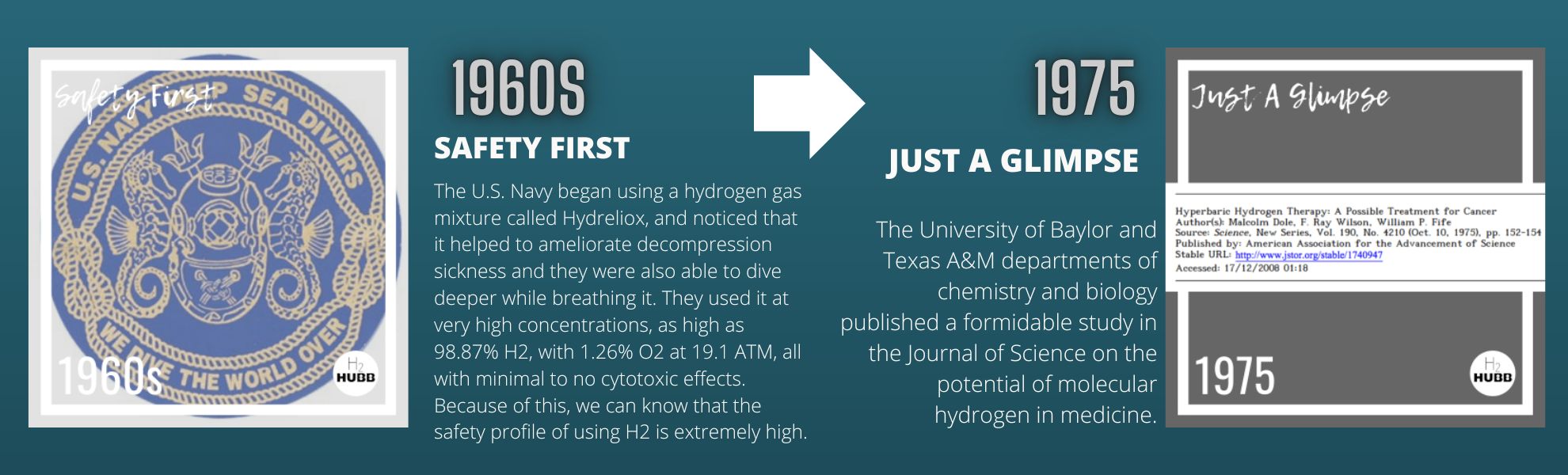
By the 1960s, hydrogen research expanded further through military and commercial diving programs.

The United States Navy became particularly interested in hydrogen-based breathing mixtures.

Researchers developed a specialized gas mixture known as Hydreliox.

Hydreliox combines:

• Hydrogen

• Oxygen

• Helium

The goal was to enable divers to operate safely at extreme depths.

Traditional breathing mixtures became increasingly problematic under high-pressure conditions.

Hydrogen offered several advantages because of its low density and unique physical properties.

Extensive testing demonstrated that divers could safely breathe hydrogen-containing mixtures.

In some experiments, hydrogen concentrations approached extraordinarily high levels.

These studies provided additional evidence regarding hydrogen’s safety.

The research showed that humans could tolerate substantial hydrogen exposure without major toxic effects.

This finding would become increasingly important in later decades when scientists began investigating hydrogen’s biological functions.


What Diving Research Taught Scientists

An Unexpected Lesson

Although diving researchers were not studying antioxidants, inflammation, or molecular signaling, they made an important contribution to future hydrogen medicine.

They demonstrated that:

• Hydrogen could be inhaled safely.

• Long-term exposure was possible.

• Human physiology tolerated hydrogen well.

• Toxicity appeared remarkably low.

These conclusions would later remove one of the largest barriers to medical hydrogen research.

Scientists no longer needed to question whether hydrogen could be safely administered to humans.

The diving community had already provided substantial evidence supporting its safety.


1975 – A Glimpse of the Future

The Baylor University and Texas A&M Study

A major turning point occurred in 1975.

Researchers from Baylor University and Texas A&M University published a scientific study exploring the potential medical applications of hyperbaric hydrogen.

The publication appeared in the journal Science, one of the world’s most prestigious scientific journals.

This study represented a significant milestone because it moved hydrogen beyond industrial and diving applications into the realm of biological investigation.

Researchers began asking a new question:

Could hydrogen have therapeutic value?

The study suggested that hydrogen might influence biological processes in ways previously unrecognized.

Although the mechanisms were not yet understood, the work sparked scientific curiosity.

Many historians of hydrogen medicine consider this publication one of the earliest modern investigations into hydrogen’s potential biological effects.


Why the 1975 Study Was Important

Ahead of Its Time

The scientific community of 1975 lacked many of the tools available today.

Researchers could not easily measure:

• Oxidative stress biomarkers

• Cellular signaling pathways

• Cytokine activity

• Gene expression

• Molecular mechanisms

Consequently, scientists could observe certain effects without fully understanding how they occurred.

The Baylor and Texas A&M study was therefore remarkable because it proposed medical possibilities for hydrogen long before the mechanisms were known.

In many ways, it anticipated discoveries that would not be fully appreciated until decades later.


The Long Road to Modern Hydrogen Research

Building the Foundation

By the mid-1970s, several critical pieces of the hydrogen puzzle had emerged.

Researchers knew that:

• Hydrogen was safe.

• Hydrogen could be inhaled.

• Hydrogen could be used in medicine.

• Hydrogen functioned effectively under extreme conditions.

• Hydrogen warranted further scientific investigation.

However, the molecular mechanisms remained mysterious.

Scientists still did not understand how hydrogen might interact with cells, tissues, oxidative stress, inflammation, or biological signaling pathways.

Those answers would not arrive until the twenty-first century.


Preparing for a Scientific Revolution

The period from 1888 to 1975 laid the groundwork for everything that followed.

Dr. Nicholas Senn introduced hydrogen into medical literature.

Deep-sea divers demonstrated its safety.

The U.S. Navy validated its practical use under extreme conditions.

Researchers at Baylor University and Texas A&M suggested that hydrogen might possess therapeutic potential.

These discoveries quietly accumulated over decades.

Although they attracted relatively little attention at the time, they created the scientific foundation necessary for future breakthroughs.

The stage was now set for one of the most important moments in hydrogen history.

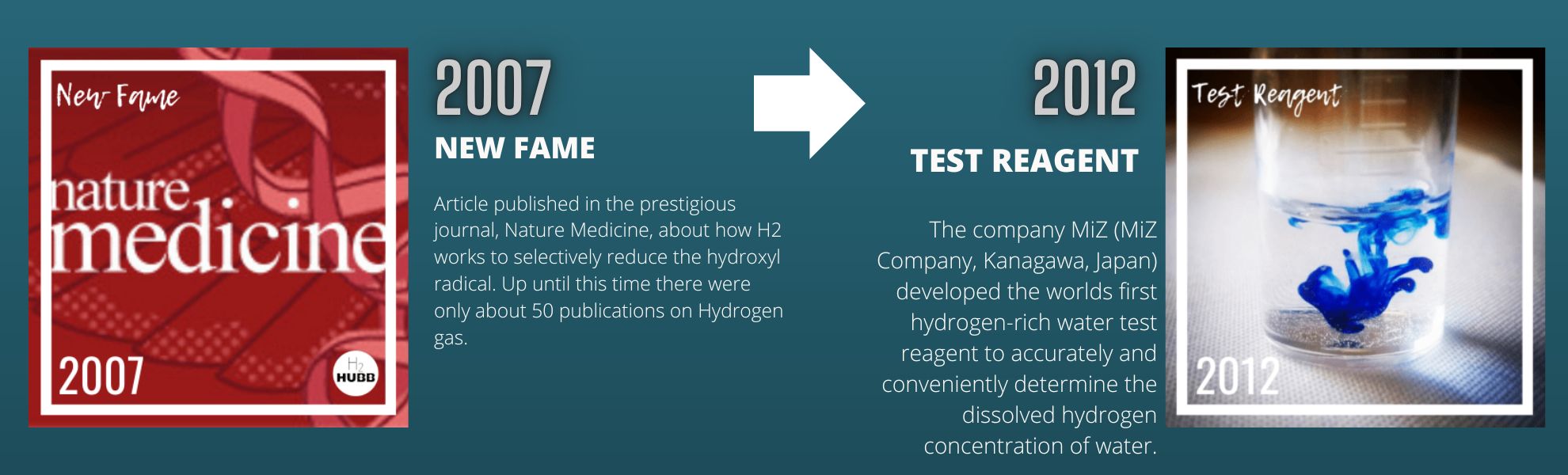
In 2007, a groundbreaking publication in Nature Medicine would transform molecular hydrogen from an obscure scientific curiosity into a rapidly expanding field of global research.

That discovery would launch thousands of studies, hundreds of clinical trials, and a new era in hydrogen science that continues today.

Part 3: The 2007 Nature Medicine Breakthrough – The Birth of Modern Molecular Hydrogen Research

Introduction

If there is one event that transformed molecular hydrogen from a scientific curiosity into a global field of medical research, it was the publication of a groundbreaking study in 2007 in the prestigious journal Nature Medicine.

Before 2007, hydrogen research existed only on the fringes of science. While a handful of studies had investigated hydrogen gas for medical applications, the scientific community largely viewed hydrogen as an industrial gas, an energy source, or a diving gas.

Very few researchers considered hydrogen biologically important.

In fact, prior to 2007, there were only a small number of scientific publications involving hydrogen’s therapeutic potential.

Everything changed with one remarkable discovery.

The publication of this study sparked a scientific revolution that continues today.

Since then, thousands of peer-reviewed papers have been published, hundreds of clinical studies have been conducted, and molecular hydrogen has emerged as one of the fastest-growing areas of biomedical research.

This chapter tells the story of how modern hydrogen medicine was born.


The Scientific Landscape Before 2007

Why Hydrogen Was Ignored

Prior to 2007, most scientists believed hydrogen was biologically inert.

Hydrogen gas was known to be:

• Colorless

• Odorless

• Tasteless

• Non-toxic

• Extremely small

• Chemically stable under biological conditions

Because hydrogen appeared relatively inactive, researchers assumed it had little influence on biological processes.

Scientific attention focused instead on:

• Vitamins

• Antioxidants

• Pharmaceuticals

• Nutritional compounds

• Hormones

• Enzymes

Hydrogen received very little attention.

Many scientists simply assumed it had no significant biological role.

This assumption would soon be challenged.


Understanding Oxidative Stress

A Growing Scientific Problem

Before discussing the breakthrough itself, it is important to understand why researchers became interested in hydrogen.

By the early 2000s, scientists increasingly recognized the role of oxidative stress in health and disease.

Oxidative stress occurs when reactive oxygen species are produced faster than the body can neutralize them.

These reactive molecules can potentially damage:

• DNA

• Proteins

• Lipids

• Cell membranes

• Mitochondria

• Cellular structures

Researchers associated excessive oxidative stress with numerous health conditions and aging-related processes.

The challenge was finding safe ways to reduce harmful oxidative damage without interfering with beneficial cellular functions.

Most antioxidants lacked selectivity.

They often neutralized both harmful and beneficial reactive molecules.

Scientists wanted a better solution.


Dr. Shigeo Ohsawa and His Research Team

The Scientists Who Changed Hydrogen History

In 2007, a Japanese research team led by Dr. Shigeo Ohsawa published a landmark paper in Nature Medicine.

Their study investigated whether molecular hydrogen could influence oxidative stress.

The researchers made an extraordinary observation.

Hydrogen appeared capable of selectively reducing certain highly reactive oxidants while leaving beneficial reactive molecules largely unaffected.

This finding was revolutionary.

It suggested that hydrogen might behave differently from conventional antioxidants.

Rather than indiscriminately neutralizing reactive species, hydrogen appeared to demonstrate selectivity.

This concept immediately attracted global scientific attention.


The Hydroxyl Radical

One of the Most Destructive Molecules in Biology

The Nature Medicine study focused particularly on the hydroxyl radical.

The hydroxyl radical is often considered one of the most reactive and potentially damaging reactive oxygen species.

Because of its extreme reactivity, it can rapidly interact with nearby biological molecules.

Scientists had long searched for safe methods to reduce hydroxyl radical-related damage.

The Japanese researchers observed that molecular hydrogen appeared capable of interacting with these highly reactive species.

This observation represented a major breakthrough.

For the first time, a simple gas appeared capable of influencing oxidative stress in a highly selective manner.


Why Selectivity Matters

The Problem with Traditional Antioxidants

Not all reactive oxygen species are harmful.

This fact is often overlooked.

Many reactive molecules serve important biological functions.

They participate in:

• Cellular communication

• Immune responses

• Metabolic regulation

• Gene expression

• Signaling pathways

Traditional antioxidants frequently neutralize reactive molecules without distinguishing between beneficial and harmful species.

Hydrogen appeared different.

The Nature Medicine study suggested that hydrogen might selectively target the most damaging oxidants while preserving important physiological signaling molecules.

This possibility generated enormous excitement among researchers.


The Scientific Community Responds

A New Research Frontier Emerges

The publication attracted immediate attention.

Scientists around the world recognized that hydrogen possessed several unique advantages.

Hydrogen is:

• Naturally occurring

• Extremely small

• Non-toxic

• Easily administered

• Rapidly diffusible

• Inexpensive

Unlike many pharmaceutical compounds, hydrogen already possessed an extensive safety record from diving research and industrial applications.

Researchers quickly realized that hydrogen represented a highly attractive candidate for further investigation.

As a result, new studies began appearing from institutions worldwide.


The Explosion of Hydrogen Research

From Dozens of Studies to Thousands

The impact of the 2007 publication was extraordinary.

Prior to the Nature Medicine paper, hydrogen research was relatively obscure.

After publication, scientific interest expanded dramatically.

Research activity increased year after year.

Scientists began investigating hydrogen in relation to:

• Oxidative stress

• Inflammation

• Neurological function

• Metabolic health

• Cardiovascular wellness

• Exercise recovery

• Healthy aging

• Cellular protection

The number of published papers grew rapidly.

Today, molecular hydrogen research includes thousands of scientific publications from universities, hospitals, and research centers worldwide.


Molecular Hydrogen Is More Than an Antioxidant

A New Understanding Emerges

One of the most important developments following the 2007 study was the realization that hydrogen’s biological effects extended beyond antioxidant activity.

Researchers initially focused on hydroxyl radical reduction.

However, subsequent investigations revealed something much more complex.

Hydrogen appeared capable of influencing:

• Cellular signaling

• Gene expression

• Inflammatory pathways

• Mitochondrial activity

• Stress response systems

• Cellular adaptation mechanisms

Scientists increasingly described hydrogen as a signaling modulator rather than merely an antioxidant.

This distinction fundamentally changed how researchers viewed molecular hydrogen.


Hydrogen and Inflammation Research

A Major Area of Investigation

Inflammation became one of the most active areas of hydrogen research.

Scientific studies explored relationships between hydrogen and numerous inflammatory mediators.

Researchers investigated hydrogen’s influence on pathways involving:

• TNF-alpha

• NF-kB

• Interleukins

• Cytokines

• Cellular signaling networks

Because inflammation is involved in numerous physiological processes, these findings generated significant scientific interest.

Hydrogen’s apparent ability to influence multiple pathways simultaneously distinguished it from many conventional approaches.


Hydrogen and Mitochondrial Health

Supporting Cellular Energy

Mitochondria are often referred to as the powerhouses of the cell.

They generate the energy required for virtually all biological functions.

Researchers discovered that hydrogen may influence mitochondrial activity and cellular energy production.

This area of research became particularly important because mitochondrial function is associated with:

• Energy levels

• Physical performance

• Aging

• Cellular resilience

• Metabolic health

Hydrogen’s potential influence on mitochondrial biology remains an active area of scientific investigation today.


The Rise of Hydrogen-Rich Water

Bringing Hydrogen to Everyday Life

As molecular hydrogen research expanded, scientists began exploring practical delivery methods.

Several approaches emerged:

• Hydrogen inhalation

• Hydrogen injections

• Hydrogen saline

• Hydrogen baths

• Hydrogen-rich water

Among these options, hydrogen-rich water quickly gained popularity.

Researchers recognized that dissolved molecular hydrogen could be delivered conveniently through drinking water.

This discovery created the foundation for modern hydrogen water technology.

Companies worldwide began developing systems capable of generating hydrogen-rich drinking water.

Advanced electrolysis systems became increasingly important because they could produce both dissolved hydrogen and alkaline ionized water.


The Connection Between Hydrogen and Electrolyzed Water

Understanding the Science

As research progressed, scientists began reevaluating electrolyzed reduced water.

For decades, many believed that alkaline pH was responsible for its observed effects.

However, emerging evidence suggested a different explanation.

Researchers increasingly concluded that dissolved molecular hydrogen was likely the primary biologically active component.

Several scientific reviews reached similar conclusions.

This represented a major shift in understanding.

The focus moved from pH alone to:

• Hydrogen concentration

• Hydrogen retention

• Hydrogen stability

• Electrolysis efficiency

This transition fundamentally changed the hydrogen water industry.


Why the 2007 Study Changed Everything

A Historic Turning Point

The Nature Medicine publication achieved something extraordinary.

It transformed hydrogen from an overlooked gas into a major scientific discipline.

The study demonstrated that:

• Hydrogen may have biological significance.

• Hydrogen may selectively influence oxidative stress.

• Hydrogen deserves serious scientific investigation.

• Hydrogen’s safety profile supports clinical research.

These conclusions inspired researchers around the world.

Universities, hospitals, and scientific institutions began launching hydrogen research programs.

A completely new field of study emerged.


The Legacy of the 2007 Breakthrough

The publication of the Nature Medicine paper is widely regarded as the beginning of modern molecular hydrogen medicine.

Its impact continues to shape research today.

The study led to:

• Thousands of scientific papers

• Hundreds of clinical investigations

• New hydrogen technologies

• Advanced electrolysis systems

• Global scientific collaboration

• Increased public awareness

Few scientific papers have transformed an entire field as dramatically as this one.

The 2007 breakthrough remains one of the most important milestones in the history of molecular hydrogen.

Yet the story does not end there.

Following the scientific explosion triggered by Nature Medicine, hydrogen research entered a new phase involving global organizations, FDA recognition, clinical trials, hospital research programs, international standards, and rapidly expanding applications.

The modern era of molecular hydrogen had officially begun.

Part 4: Molecular Hydrogen Today – FDA Recognition, Global Standards, Clinical Research, and the Future of Hydrogen Medicine

Introduction

The publication of the landmark Nature Medicine study in 2007 transformed molecular hydrogen from a little-known scientific curiosity into one of the fastest-growing fields in biomedical research.

What followed was an unprecedented expansion of scientific interest.

Universities, hospitals, medical institutions, government agencies, and independent researchers began investigating molecular hydrogen across a wide range of applications.

By the early 2010s, hydrogen research had expanded far beyond laboratory experiments.

Scientists were conducting human clinical trials.

Hospitals were evaluating hydrogen-based therapies.

International organizations were establishing scientific standards.

Medical professionals were exploring practical applications.

And consumers around the world were becoming increasingly interested in hydrogen-rich water and advanced hydrogen technologies.

This period represents the modern era of molecular hydrogen.

It is the chapter that transformed hydrogen from a research subject into a global scientific movement.


The Growth of Clinical Research

From Laboratory Studies to Human Trials

One of the most important developments after 2007 was the transition from laboratory experiments to human clinical studies.

Researchers began investigating hydrogen’s effects in real-world settings involving human participants.

Clinical studies explored areas such as:

• Oxidative stress

• Exercise recovery

• Metabolic wellness

• Cardiovascular function

• Neurological health

• Healthy aging

• Quality of life

• Inflammatory biomarkers

These studies expanded scientific understanding and helped validate earlier laboratory observations.

The growing body of human research significantly increased confidence in molecular hydrogen as a legitimate scientific field.

Today, clinical investigations continue to be conducted worldwide.


2012 – Measuring Hydrogen Becomes Easier

The Development of Hydrogen Testing Technology

As hydrogen research expanded, scientists faced an important challenge.

Hydrogen is an extremely small gas.

It diffuses rapidly.

It can escape from water relatively quickly if not measured properly.

Accurately determining dissolved hydrogen concentration became increasingly important.

In 2012, significant advances were made in hydrogen testing technology.

Researchers and technology developers introduced improved methods for measuring dissolved hydrogen concentration in water.

These innovations helped standardize research procedures and improve scientific accuracy.

Reliable testing allowed researchers to:

• Verify hydrogen concentrations

• Compare technologies

• Validate experimental results

• Improve product development

• Enhance scientific consistency

This development was crucial because accurate measurement is essential for credible scientific investigation.

The ability to reliably measure dissolved hydrogen helped accelerate research throughout the hydrogen industry.


Understanding Hydrogen Concentration

Why Measurement Matters

Modern hydrogen research focuses heavily on dissolved hydrogen concentration.

Hydrogen concentration is often measured in:

• Parts Per Million (PPM)

• Parts Per Billion (PPB)

• Milligrams per Liter (mg/L)

Researchers increasingly recognize that hydrogen concentration is one of the most important variables influencing hydrogen delivery.

Higher dissolved hydrogen levels generally allow greater hydrogen intake.

This understanding shifted industry focus toward technologies capable of generating and maintaining meaningful hydrogen concentrations.

As a result, advanced electrolysis systems became increasingly important.

Companies began investing heavily in improving hydrogen generation technology.


2013 – The Molecular Hydrogen Institute

A New Era of Scientific Education

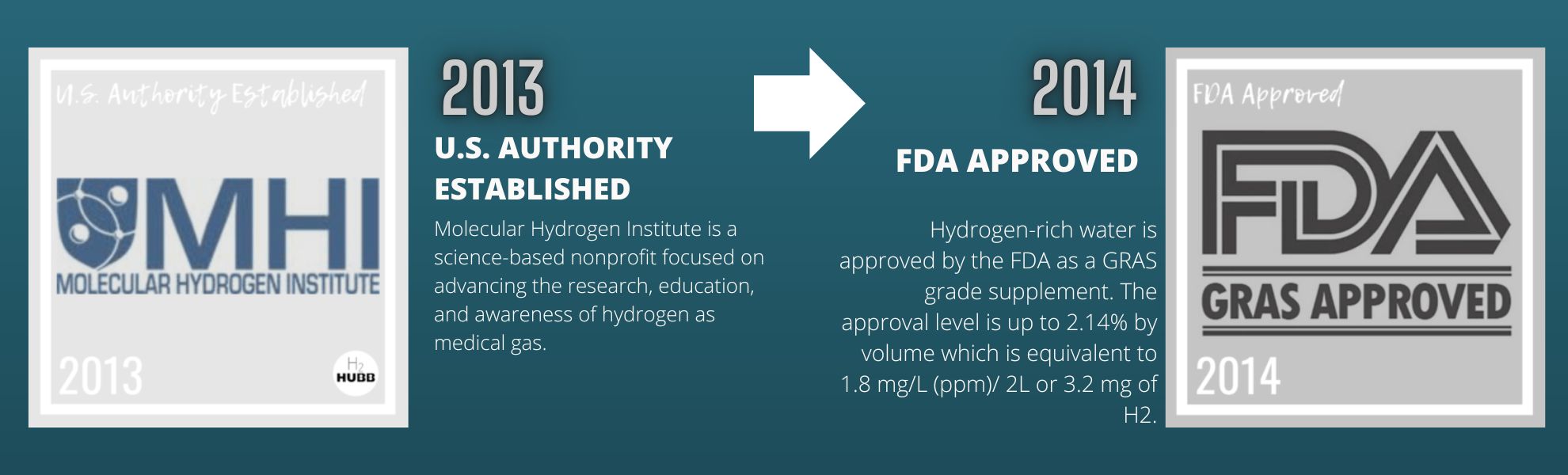
A major milestone occurred in 2013 with the establishment of the Molecular Hydrogen Institute (MHI).

The Molecular Hydrogen Institute was created as a science-focused nonprofit organization dedicated to:

• Hydrogen education

• Scientific research

• Public awareness

• Professional training

• Evidence-based information

The organization’s mission has been to improve understanding of molecular hydrogen through scientific accuracy and educational outreach.

The creation of MHI represented an important step because it provided a centralized source of information for researchers, healthcare professionals, and consumers.

As hydrogen research expanded globally, the need for reliable educational resources became increasingly important.

Organizations such as MHI helped bridge the gap between scientific publications and public understanding.


Why Scientific Education Matters

Separating Facts from Myths

As public interest in hydrogen increased, so did misinformation.

Many unsupported claims began appearing online.

Researchers recognized the importance of distinguishing evidence-based science from speculation.

Scientific education became essential for explaining:

• What hydrogen is

• How hydrogen works

• What studies actually show

• What remains unknown

• How hydrogen should be measured

• The difference between science and marketing

This emphasis on scientific rigor helped improve credibility throughout the hydrogen research community.

Today, evidence-based communication remains one of the most important priorities in hydrogen science.


2014 – FDA GRAS Recognition

A Significant Milestone

One of the most important developments in hydrogen history occurred in 2014.

Hydrogen-rich water received recognition from the United States Food and Drug Administration (FDA) under the Generally Recognized As Safe (GRAS) framework.

This recognition was highly significant because safety remains one of the most important considerations in any health-related field.

Hydrogen already possessed an impressive safety record from:

• Diving research

• Industrial applications

• Laboratory investigations

• Human studies

FDA-related recognition further strengthened confidence in hydrogen’s safety profile.

This milestone attracted additional attention from researchers, healthcare professionals, and consumers worldwide.


The Importance of Safety

Hydrogen’s Remarkable Safety Profile

One of the reasons molecular hydrogen has generated so much scientific interest is its exceptional safety record.

Compared with many compounds investigated in biomedical research, hydrogen demonstrates several advantages.

Hydrogen is:

• Naturally occurring

• Produced by intestinal bacteria

• Present in the environment

• Non-toxic

• Rapidly eliminated from the body

• Well tolerated in studies

This favorable safety profile has allowed researchers to explore hydrogen across numerous scientific fields.

Safety remains one of hydrogen’s strongest characteristics.


Hydrogen and Hospital Research

Moving Into Clinical Settings

As scientific evidence continued to grow, hospitals and medical institutions began exploring hydrogen applications more seriously.

Researchers initiated investigations involving:

• Critical care

• Neurological conditions

• Cardiovascular health

• Respiratory support

• Recovery science

• Rehabilitation medicine

Hydrogen’s favorable safety profile made it particularly attractive for clinical investigation.

Hospitals increasingly viewed hydrogen as a promising area for future research.

This transition from laboratory science to hospital-based investigation represented an important step in hydrogen’s evolution.


2016 – Hydrogen Research in Japanese Hospitals

Government-Supported Clinical Investigation

Japan has played a leading role in hydrogen research.

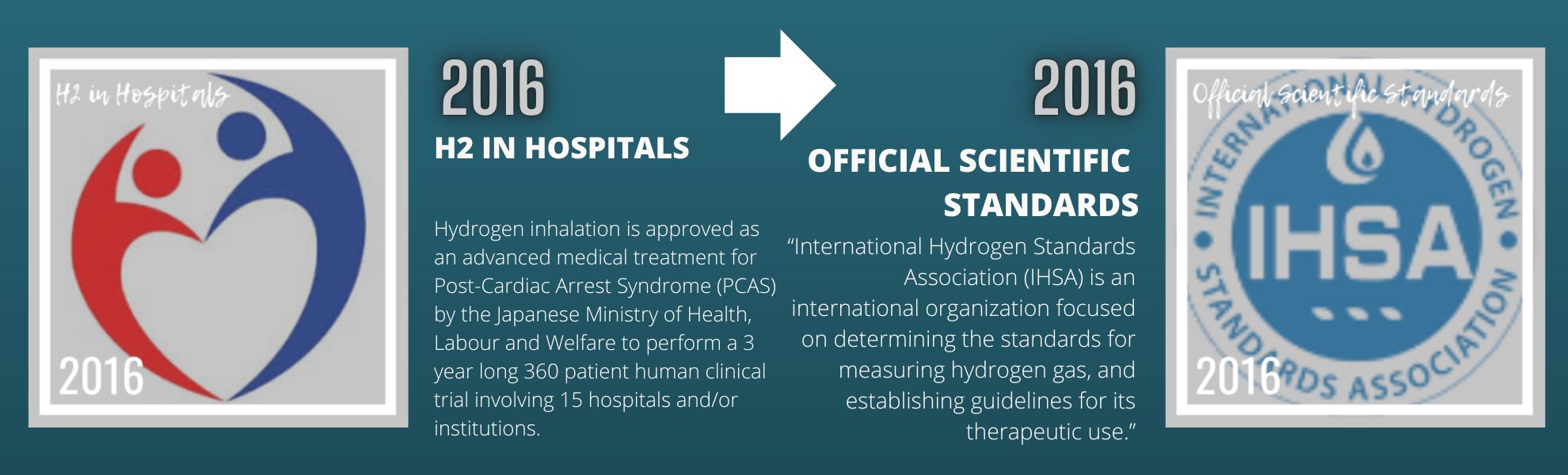
In 2016, hydrogen-related clinical investigations received significant attention within Japanese medical research programs.

Researchers explored hydrogen inhalation and related technologies in hospital environments.

Government-supported initiatives demonstrated the growing credibility of hydrogen research.

The involvement of major institutions reflected increasing scientific confidence.

Japan’s leadership in hydrogen science continues today through ongoing clinical research, technological innovation, and academic investigation.

Many of the world’s leading hydrogen studies originate from Japanese universities and medical centers.


The Rise of Hydrogen Inhalation Research

Beyond Hydrogen Water

Although hydrogen-rich water remains one of the most popular delivery methods, researchers have also investigated hydrogen inhalation.

Hydrogen inhalation offers several theoretical advantages:

• Rapid delivery

• Controlled concentration

• High bioavailability

• Clinical flexibility

Numerous studies have explored inhalation protocols under medical supervision.

Research in this area continues to expand.

It is important to note that hydrogen inhalation should only be conducted using appropriate equipment and professional guidance when applicable.

Nevertheless, this field represents one of the most rapidly developing areas of hydrogen science.


2016 – International Hydrogen Standards Association (IHSA)

Establishing Global Scientific Standards

As hydrogen research expanded globally, researchers recognized the need for standardization.

Scientific progress depends upon consistency.

Without standards, comparing results becomes difficult.

The International Hydrogen Standards Association (IHSA) was established to help address this challenge.

The organization’s goals include:

• Measurement standards

• Research consistency

• Scientific validation

• Methodological guidelines

• Hydrogen quality assessment

The development of standards represents an important sign of scientific maturity.

Fields lacking standards often struggle to achieve credibility.

The establishment of organizations focused on hydrogen measurement and methodology reflects the growing sophistication of hydrogen science.


Why Standards Matter

Building Scientific Credibility

Scientific standards improve:

• Accuracy

• Reliability

• Reproducibility

• Transparency

• Global collaboration

Researchers worldwide benefit when measurements and procedures follow common guidelines.

Standardization allows studies to be compared more effectively and helps strengthen confidence in scientific findings.

The development of hydrogen standards is therefore an important milestone in the evolution of the field.


Molecular Hydrogen and Modern Wellness

A Growing Global Interest

Today, molecular hydrogen has become a major topic within the wellness industry.

Consumers increasingly seek information regarding:

• Hydrogen-rich water

• Hydrogen tablets

• Hydrogen inhalation

• Hydrogen baths

• Electrolysis technologies

• Wellness applications

This growing interest reflects both scientific progress and increased public awareness.

People are becoming more interested in preventive wellness, healthy aging, hydration, and lifestyle optimization.

Hydrogen research intersects with many of these areas.


Advanced Hydrogen Water Technology

The Evolution of Electrolysis

Modern hydrogen water systems differ significantly from early technologies.

Advanced systems now focus on:

• Hydrogen concentration

• Electrolysis efficiency

• Water quality

• Filtration performance

• Hydrogen retention

• User convenience

Companies such as KYK have invested decades in refining electrolysis technology.

The goal is not merely producing alkaline water but generating high-quality hydrogen-rich water supported by scientific understanding.

This evolution reflects broader changes throughout the hydrogen industry.


The Future of Molecular Hydrogen Research

A Field Still Expanding

Despite thousands of publications, molecular hydrogen research remains relatively young.

Many questions continue to be investigated.

Researchers are exploring:

• Cellular signaling

• Gene regulation

• Mitochondrial biology

• Exercise science

• Healthy aging

• Metabolic function

• Neurological wellness

• Inflammatory pathways

Each year, new studies contribute additional knowledge.

The pace of research remains remarkably strong.

Many experts believe hydrogen science is still in its early stages.

Future discoveries may further expand understanding of hydrogen’s biological activities and practical applications.


Why Molecular Hydrogen Matters

The modern history of molecular hydrogen demonstrates a remarkable transformation.

What began as a little-understood gas has evolved into a globally recognized field of scientific research.

From the groundbreaking Nature Medicine publication in 2007 to international standards organizations, FDA-related recognition, hospital-based research, and advanced hydrogen technologies, molecular hydrogen has experienced extraordinary growth.

Today, researchers around the world continue investigating its mechanisms, applications, and potential benefits.

This journey illustrates how scientific understanding evolves over time.

Hydrogen’s story is far from complete.

As new discoveries emerge, molecular hydrogen will likely remain one of the most exciting and rapidly developing areas in modern wellness science, preventive health research, and advanced water technology.

For consumers, researchers, healthcare professionals, and technology innovators alike, the future of hydrogen science continues to hold tremendous promise.

Part 5: Molecular Hydrogen FAQs, Scientific Milestones, Key Researchers, and the Future of Hydrogen Technology

Introduction

The history of molecular hydrogen is one of the most remarkable scientific journeys of the modern era.

What began with observations made by early chemists eventually evolved into one of the fastest-growing areas of biological and medical research.

Today, molecular hydrogen is studied in universities, hospitals, government research centers, sports science laboratories, and wellness institutions around the world.

Despite thousands of published scientific papers, many people still have questions about hydrogen, hydrogen-rich water, electrolysis technology, and the future of hydrogen science.

This section answers many of the most frequently asked questions while highlighting the major milestones and scientific pioneers who shaped the development of molecular hydrogen research.


Complete Timeline of Hydrogen History

Major Milestones in Molecular Hydrogen Research

1520 – Paracelsus Observes Hydrogen

Swiss physician and alchemist Paracelsus observes gas released during reactions between metals and acids.

Although he did not understand its identity, this represents one of the earliest recorded observations of hydrogen.


1766 – Henry Cavendish Discovers Flammable Air

British scientist Henry Cavendish identifies hydrogen as a unique gas.

He calls it “flammable air” and demonstrates that it differs from ordinary atmospheric air.

This marks the true scientific discovery of hydrogen.


1783 – Antoine Lavoisier Names Hydrogen

French chemist Antoine Lavoisier proves that water consists of hydrogen and oxygen.

He introduces the name “Hydrogen,” meaning “water former.”

This discovery revolutionizes chemistry.


1803 – Hydrogen and Atomic Theory

John Dalton’s atomic theory establishes hydrogen as one of the fundamental building blocks of matter.

Hydrogen becomes the reference element for early atomic weight calculations.


1888 – Dr. Nicholas Senn Uses Hydrogen in Medicine

Hydrogen enters medical literature through pioneering surgical research.

This becomes one of the earliest documented medical applications involving hydrogen.


1943 – Arne Zetterström and Deep-Sea Diving

Hydrogen breathing mixtures are successfully used during deep diving operations.

This demonstrates hydrogen’s safety under extreme physiological conditions.


1960s – U.S. Navy Develops Hydreliox

Hydrogen becomes part of advanced breathing mixtures used for ultra-deep diving research.

These programs provide extensive safety data.


1975 – Baylor University and Texas A&M Study

Scientists publish one of the earliest modern investigations into hydrogen’s therapeutic potential.

This study is often considered a precursor to modern hydrogen medicine.


2007 – Nature Medicine Breakthrough

Dr. Shigeo Ohsawa and colleagues publish the landmark study that launches modern molecular hydrogen research.

This publication sparks a worldwide scientific revolution.


2010–Present – Global Expansion

Thousands of scientific papers are published.

Clinical studies expand worldwide.

Hydrogen water technologies become increasingly sophisticated.

Research continues to accelerate globally.


Frequently Asked Questions About Molecular Hydrogen

What Is Molecular Hydrogen?

Molecular hydrogen is a gas composed of two hydrogen atoms bonded together.

Its chemical formula is H₂.

It is the smallest molecule in existence.

Because of its small size, molecular hydrogen can rapidly diffuse through biological tissues and cellular structures.

This unique characteristic is one reason researchers became interested in its potential biological activities.


Is Hydrogen the Same as Water?

No.

Water and hydrogen are related but different.

Water is a compound consisting of:

Two hydrogen atoms + One oxygen atom = H₂O

Molecular hydrogen is simply:

H₂

Hydrogen-rich water contains dissolved molecular hydrogen gas within water.

This distinction is extremely important in modern hydrogen research.


Why Is Hydrogen Called the Smallest Molecule?

Hydrogen contains only two hydrogen atoms.

Its molecular weight is approximately 2.

This makes it the lightest and smallest molecule known.

Because of its size, hydrogen diffuses more rapidly than many other substances.

Researchers believe this property contributes to its unique biological behavior.


Why Did Scientists Initially Ignore Hydrogen?

For many years, scientists assumed hydrogen was biologically inactive.

Hydrogen appeared chemically stable and non-reactive under physiological conditions.

Most researchers believed it served no significant biological purpose.

The 2007 Nature Medicine study challenged this assumption and transformed scientific thinking.


What Makes Hydrogen Different from Traditional Antioxidants?

Many antioxidants neutralize reactive molecules indiscriminately.

Hydrogen appears to behave differently.

Research suggests hydrogen may selectively interact with certain highly reactive oxidants while preserving beneficial signaling molecules.

This potential selectivity is one of the reasons hydrogen attracted scientific attention.


Why Is Hydrogen Research Growing So Quickly?

Several factors contribute to the rapid growth of hydrogen science.

These include:

• Strong safety profile

• Unique biological properties

• Low toxicity

• Ease of administration

• Broad research potential

• Growing scientific evidence

The combination of these characteristics makes hydrogen an attractive area for investigation.


Is Molecular Hydrogen Safe?

Hydrogen possesses one of the strongest safety records among substances studied in biomedical research.

Humans have been exposed to hydrogen through:

• Deep-sea diving

• Industrial applications

• Scientific studies

• Clinical investigations

• Hydrogen-rich water

Research consistently demonstrates excellent tolerability.

This safety profile has played a major role in the growth of hydrogen science.


How Is Molecular Hydrogen Delivered?

Researchers have investigated several delivery methods.

These include:

Hydrogen-Rich Water

The most popular consumer method.

Hydrogen gas is dissolved into drinking water.


Hydrogen Inhalation

Hydrogen gas is inhaled under controlled conditions.

This approach is commonly investigated in clinical settings.


Hydrogen Baths

Hydrogen is dissolved into bathing water.

Research in this area continues to expand.


Hydrogen Saline

Hydrogen dissolved into saline solutions has been investigated in scientific studies.


Key Researchers in Hydrogen History

Henry Cavendish

Known for discovering hydrogen as a distinct gas in 1766.

His work established the scientific foundation for hydrogen research.


Antoine Lavoisier

Named hydrogen and demonstrated its relationship to water.

Widely regarded as one of the founders of modern chemistry.


Dr. Nicholas Senn

Introduced hydrogen into medical research in the late nineteenth century.

His pioneering work remains an important milestone.


Arne Zetterström

Pioneered hydrogen-based deep-sea diving research.

Demonstrated hydrogen’s safety under extreme conditions.


Dr. Shigeo Ohsawa

Published the landmark Nature Medicine study in 2007.

Widely recognized as one of the key figures responsible for launching modern hydrogen medicine.


Molecular Hydrogen Research Today

How Large Is the Scientific Literature?

The hydrogen research field has expanded dramatically.

Today, scientific literature includes:

• Thousands of peer-reviewed publications

• Hundreds of review articles

• Numerous clinical studies

• International conferences

• Government-supported investigations

The volume of research continues to grow every year.


Which Countries Lead Hydrogen Research?

Several countries have played important roles in advancing hydrogen science.

These include:

Japan

A global leader in molecular hydrogen research.

Many landmark studies originated in Japanese universities and hospitals.

United States

Major contributor to clinical research, hydrogen technology, and scientific publications.

China

One of the largest producers of hydrogen-related scientific literature.

South Korea

Important contributor to hydrogen technology and electrolysis innovation.

Europe

Multiple universities and research institutions continue to investigate hydrogen applications.


Hydrogen and Modern Technology

Why Electrolysis Matters

Many modern hydrogen water systems use electrolysis technology.

Electrolysis separates water into different components through electrical energy.

Advanced systems can generate:

• Hydrogen-rich water

• Alkaline ionized water

• Acidic water

• Purified water

Electrolysis remains one of the most effective methods for producing hydrogen-rich drinking water.


The Evolution of Hydrogen Water Machines

From Basic Systems to Advanced Technology

Early hydrogen water devices focused primarily on producing alkaline water.

Modern systems increasingly focus on:

• Dissolved hydrogen concentration

• Hydrogen retention

• Filtration quality

• Water purity

• Electrolysis efficiency

This shift reflects advances in scientific understanding.

Researchers now recognize the importance of measuring hydrogen directly rather than relying solely on pH.


The Future of Hydrogen Technology

What Comes Next?

The future of hydrogen research appears exceptionally promising.

Scientists continue investigating:

Cellular Signaling

Hydrogen’s influence on biological communication pathways remains a major research area.

Mitochondrial Biology

Researchers continue exploring hydrogen’s relationship with cellular energy production.

Exercise Science

Hydrogen’s role in athletic recovery remains an active field of investigation.

Healthy Aging

Scientists are increasingly interested in hydrogen’s relationship to longevity and cellular resilience.

Personalized Wellness

Future technologies may allow individuals to tailor hydrogen delivery according to their needs and lifestyles.


Why Hydrogen Matters in the Twenty-First Century

The story of molecular hydrogen demonstrates how scientific understanding evolves over time.

What began as an unexplained gas observed by sixteenth-century alchemists eventually became one of the most exciting areas of modern scientific investigation.

More than 500 years after the first recorded observations of hydrogen, researchers continue discovering new information about its properties and potential applications.

From Paracelsus and Cavendish to Lavoisier, Nicholas Senn, Arne Zetterström, and Dr. Shigeo Ohsawa, generations of scientists contributed to our understanding of hydrogen.

Their work laid the foundation for today’s rapidly expanding field of molecular hydrogen research.

As scientific exploration continues, molecular hydrogen remains a symbol of how curiosity, observation, experimentation, and innovation can transform a simple element into one of the most fascinating subjects in modern science.

The history of hydrogen is still being written, and the next chapter may be even more remarkable than the last.

Part 6: The Future of Molecular Hydrogen – Artificial Intelligence, Precision Wellness, Longevity Science, and Next-Generation Hydrogen Technologies

Introduction

Throughout history, scientific breakthroughs have often followed a predictable pattern.

A discovery is initially ignored.

A small group of researchers begins investigating it.

Early evidence accumulates.

Skepticism gradually gives way to curiosity.

Research expands.

Technology improves.

Applications emerge.

Eventually, a completely new field develops.

Molecular hydrogen appears to be following exactly this path.

What began as a little-known scientific observation has evolved into a global research movement involving universities, hospitals, technology companies, wellness professionals, and government-funded research institutions.

Today, hydrogen research sits at the intersection of several of the world’s most important scientific trends:

• Preventive health

• Longevity science

• Precision wellness

• Artificial intelligence

• Biotechnology

• Advanced diagnostics

• Personalized nutrition

• Regenerative medicine

The coming decades may represent the most exciting period in hydrogen research history.


The Shift Toward Preventive Health

A New Healthcare Model

Historically, healthcare systems have focused on disease treatment.

Modern healthcare is increasingly shifting toward prevention.

Researchers and healthcare professionals now recognize the importance of:

• Healthy lifestyle habits

• Nutrition

• Exercise

• Sleep quality

• Stress management

• Hydration

• Early intervention

The goal is no longer simply treating illness.

The goal is maintaining wellness before illness develops.

This philosophy aligns closely with the growing interest in molecular hydrogen.

Hydrogen research is increasingly being explored within the broader framework of wellness optimization and healthy aging.


Longevity Science and Hydrogen

The Search for Healthy Aging

One of the fastest-growing fields in modern medicine is longevity science.

Researchers are studying why some individuals remain healthy and active well into advanced age.

Areas of investigation include:

• Cellular resilience

• Mitochondrial function

• Inflammation

• Oxidative stress

• DNA stability

• Metabolic efficiency

Many of these same biological processes are also being explored in hydrogen research.

Scientists are particularly interested in understanding how hydrogen interacts with pathways associated with aging and cellular maintenance.

Although longevity science remains a rapidly evolving field, hydrogen continues to attract attention because of its unique biological characteristics and strong safety profile.


Mitochondria and Cellular Energy

The Powerhouses of Human Health

Every cell in the human body depends on mitochondria.

These microscopic structures generate the energy required for life.

Mitochondria influence:

• Physical performance

• Cognitive function

• Metabolism

• Recovery

• Cellular communication

• Healthy aging

Researchers increasingly recognize mitochondrial health as one of the central pillars of wellness.

Numerous hydrogen studies have investigated mitochondrial pathways.

This remains one of the most promising areas for future research.

Many scientists believe that understanding hydrogen’s relationship with mitochondria may unlock important insights into energy production and cellular resilience.


Artificial Intelligence and Hydrogen Research

A Powerful New Partnership

Artificial intelligence is transforming virtually every scientific discipline.

Hydrogen research is no exception.

AI systems are now helping researchers:

• Analyze massive datasets

• Identify patterns

• Predict biological interactions

• Accelerate drug discovery

• Evaluate clinical outcomes

• Generate new hypotheses

In the future, artificial intelligence may help scientists understand hydrogen’s biological mechanisms at a level previously impossible.

The combination of AI and hydrogen research could dramatically accelerate scientific discovery.


Big Data and Precision Wellness

Personalized Health Solutions

One of the most exciting developments in modern healthcare is precision wellness.

Rather than providing identical recommendations to everyone, precision wellness seeks to tailor strategies to individual needs.

Future health assessments may include:

• Genetic information

• Metabolic markers

• Lifestyle factors

• Environmental influences

• Physiological measurements

Researchers may eventually use advanced data analysis to determine how different individuals respond to various wellness interventions, including hydration and hydrogen-based technologies.

This personalized approach represents a major shift from traditional one-size-fits-all recommendations.


The Evolution of Hydrogen Water Technology

Beyond Basic Electrolysis

Hydrogen water technology continues to evolve rapidly.

Early systems focused primarily on producing alkaline water.

Modern technologies increasingly emphasize:

• Higher hydrogen concentration

• Improved hydrogen retention

• Better filtration

• Enhanced user experience

• Advanced monitoring systems

• Scientific validation

Future hydrogen water systems may incorporate real-time performance monitoring, smart sensors, and connectivity features that allow users to track water quality and hydrogen production more accurately.


Smart Hydrogen Devices

The Next Generation of Water Technology

As technology advances, hydrogen devices are becoming increasingly sophisticated.

Future systems may include:

Integrated Hydrogen Monitoring

Real-time measurement of dissolved hydrogen concentration.

Smart Maintenance Alerts

Automatic notifications for filter replacement and servicing.

Mobile Application Integration

Performance tracking through smartphones and connected devices.

AI-Assisted Optimization

Systems capable of automatically adjusting performance parameters.

Cloud-Based Diagnostics

Remote monitoring and support capabilities.

These innovations could further improve reliability, convenience, and user confidence.


Hydrogen and Sports Science

The Future of Athletic Recovery

Athletes are constantly seeking safe and effective methods to support performance and recovery.

Hydrogen research continues to attract attention within sports science because of its relationship with:

• Exercise-induced oxidative stress

• Recovery processes

• Muscle function

• Endurance performance

• Hydration strategies

Future sports science research may provide deeper insights into how hydrogen can be incorporated into training and recovery protocols.

Professional athletes, trainers, and sports scientists are likely to remain active participants in this growing field.


Hydrogen and Space Exploration

Beyond Planet Earth

Hydrogen has long played a critical role in aerospace engineering.

However, future space missions may create additional opportunities for hydrogen research.

Long-duration space travel presents unique challenges.

These include:

• Oxidative stress

• Radiation exposure

• Muscle loss

• Bone density reduction

• Physiological adaptation

Researchers may investigate whether hydrogen technologies can contribute to astronaut wellness during extended missions.

Although this area remains largely exploratory, it highlights the broad scientific interest surrounding hydrogen.


Hydrogen and Environmental Sustainability

Supporting a Cleaner Future

Hydrogen is increasingly recognized as an important component of sustainable technology.

Hydrogen-based innovations are being explored in:

• Energy production

• Transportation

• Industrial applications

• Environmental engineering

The global hydrogen economy continues to expand as governments and industries seek cleaner alternatives to traditional energy systems.

This broader hydrogen movement indirectly benefits molecular hydrogen research by increasing public awareness and technological investment.


Global Research Collaboration

Science Without Borders

One of the most encouraging aspects of hydrogen research is its international nature.

Researchers from numerous countries contribute to the growing body of evidence.

Major contributors include:

• Japan

• South Korea

• United States

• China

• Germany

• United Kingdom

• France

• Australia

• Canada

International collaboration accelerates progress by allowing scientists to share knowledge, methodologies, and findings.

The future of hydrogen research will likely become even more collaborative.


Hydrogen and Integrative Wellness

A Holistic Perspective

Modern wellness increasingly emphasizes interconnected lifestyle factors.

Health is influenced by:

• Nutrition

• Hydration

• Sleep

• Movement

• Stress management

• Environmental exposure

Hydrogen technologies are increasingly being discussed within this broader context.

Researchers view hydrogen not as a standalone solution but as one component of a comprehensive wellness strategy.

This holistic perspective aligns with current trends in preventive health and healthy aging.


Challenges and Future Research Needs

Questions Still to Be Answered

Although hydrogen research has advanced rapidly, many questions remain.

Future investigations will likely focus on:

• Optimal delivery methods

• Long-term outcomes

• Dose-response relationships

• Mechanistic pathways

• Individual variability

• Clinical applications

These unanswered questions represent opportunities for future discovery.

Scientific progress depends on continued research, critical evaluation, and evidence-based investigation.


The Next Fifty Years of Hydrogen Science

Looking Ahead

If the past two decades are any indication, the future of hydrogen research may be extraordinary.

Scientists continue uncovering new information about:

• Cellular communication

• Oxidative balance

• Mitochondrial biology

• Recovery science

• Healthy aging

• Human performance

Advances in artificial intelligence, biotechnology, molecular biology, and diagnostic technology will likely accelerate progress even further.

Future generations may look back on the early twenty-first century as the period when hydrogen research entered a new scientific era.


KYK and the Future of Hydrogen Water

For more than four decades, KYK has been dedicated to advancing water technology through innovation, research, and engineering excellence.

As scientific understanding continues to evolve, the importance of producing high-quality hydrogen-rich water becomes increasingly clear.

The future of hydrogen water technology will depend on:

• Reliable electrolysis systems

• Advanced filtration

• Scientific validation

• Consistent hydrogen generation

• Continuous innovation

These principles remain central to KYK’s mission.

As hydrogen science progresses, KYK continues to support consumers seeking access to advanced hydrogen-rich water technologies backed by decades of engineering expertise.

The story of molecular hydrogen is far from over.

In many ways, it is only beginning.

The discoveries made over the next several decades may transform our understanding of hydrogen even more profoundly than the discoveries of the past five hundred years.

Part 7: Hydrogen Water, Alkaline Ionized Water, and the Evolution of Modern Water Science

Introduction

Throughout human history, water has been recognized as the foundation of life.

Ancient civilizations settled near rivers, lakes, springs, and natural water sources because survival depended upon access to clean water.

For thousands of years, people understood that water quality influenced health, vitality, agriculture, and civilization itself.

However, modern science has revealed that water is far more complex than previously imagined.

Researchers now evaluate water using numerous parameters including:

• Purity

• Mineral composition

• pH

• Oxidation-reduction potential (ORP)

• Dissolved gases

• Filtration quality

• Hydrogen concentration

• Microbiological safety

This evolution in scientific understanding has given rise to new technologies, including alkaline ionized water systems and hydrogen-rich water technologies.

Today, molecular hydrogen and advanced electrolysis represent some of the most exciting developments in modern water science.

Understanding how these technologies evolved helps explain why hydrogen-rich water has become a major focus of scientific research.


The History of Drinking Water

From Natural Springs to Modern Filtration

For most of human history, people consumed water directly from natural sources.

These sources included:

• Springs

• Rivers

• Lakes

• Wells

• Rainwater

Natural waters varied significantly depending upon geological conditions.

Some waters contained abundant minerals.

Others were relatively soft.

Some were naturally alkaline.

Others were mildly acidic.

Long before modern chemistry existed, many cultures preferred certain water sources because of taste, freshness, and perceived health benefits.

These observations would later inspire scientific investigation.


The Discovery of Minerals in Water

Why Water Tastes Different

As chemistry developed, scientists discovered that water is rarely pure H₂O.

Most natural waters contain dissolved minerals.

Common minerals include:

• Calcium

• Magnesium

• Potassium

• Sodium

• Bicarbonates

• Trace elements

These minerals influence:

• Taste

• pH

• Hardness

• Conductivity

• Water characteristics

Researchers eventually recognized that geological conditions largely determine mineral composition.

Mountain springs, deep aquifers, volcanic regions, and limestone formations often produce waters with distinct mineral profiles.

This understanding laid the foundation for modern mineral water science.


The Development of Electrolysis Technology

A Scientific Breakthrough

Electrolysis is a process that uses electricity to separate water into different components.

Scientists began exploring electrolysis in the nineteenth century.

Early experiments demonstrated that electrical current could split water into:

• Hydrogen

• Oxygen

• Alkaline fractions

• Acidic fractions

Initially, these discoveries were primarily of scientific interest.

Over time, engineers recognized practical applications.

Electrolysis eventually became the foundation of modern water ionization technology.


The Birth of Water Ionizers

Japan’s Contribution to Water Technology

Japan played a major role in the development of modern water ionizers.

Following decades of research into water quality, electrolysis, and public health, Japanese engineers developed systems capable of producing multiple types of water from a single source.

These systems generated:

• Alkaline ionized water

• Acidic water

• Purified water

The technology rapidly gained popularity because it offered multiple applications for households and healthcare environments.

Japan remains one of the world’s leading centers for water ionization research and development.


Understanding Alkaline Water

What Makes Water Alkaline?

Alkaline water has a pH above 7.

Natural alkaline waters often contain dissolved minerals such as calcium and magnesium.

Electrolysis can also produce alkaline water by concentrating hydroxide ions in the drinking water stream.

Many consumers prefer alkaline water because of:

• Smooth taste

• Mineral content

• Drinking experience

• Culinary applications

• Hydration routines

The popularity of alkaline water has grown substantially over the past several decades.


The pH Debate

Why Scientists Look Beyond pH

One of the most important developments in modern water science is the recognition that pH alone does not explain all observed effects associated with ionized water.

Historically, many discussions focused exclusively on alkalinity.

However, scientific research increasingly suggests that additional factors must also be considered.

These include:

• Mineral composition

• Hydrogen concentration

• ORP values

• Water quality

• Filtration efficiency

This broader perspective has helped improve scientific understanding.

Today, researchers view pH as one important parameter among many.


Oxidation Reduction Potential (ORP)

Understanding Electron Activity

ORP stands for Oxidation Reduction Potential.

It is a measurement of a substance’s tendency to gain or lose electrons.

In water science, ORP often receives significant attention because it provides information about redox characteristics.

Many hydrogen-rich waters exhibit negative ORP values.

However, researchers now understand that ORP is influenced by several factors, including pH.

This realization has led scientists to place greater emphasis on directly measuring dissolved hydrogen concentration rather than relying solely on ORP.


Dissolved Molecular Hydrogen

The New Frontier in Water Science

The discovery that dissolved molecular hydrogen may possess biological significance fundamentally changed water research.

Scientists increasingly began asking:

Could hydrogen be the most important component of hydrogen-rich water?

Numerous studies suggest that dissolved hydrogen may play a significant role in observed biological effects associated with electrolyzed reduced water.

This realization transformed research priorities worldwide.

Today, hydrogen concentration is considered one of the most important measurements in advanced hydrogen water systems.


The Difference Between Alkaline Water and Hydrogen Water

Understanding the Distinction

Although the terms are often used interchangeably, alkaline water and hydrogen water are not necessarily the same.

Alkaline water refers primarily to pH.

Hydrogen water refers to dissolved molecular hydrogen concentration.

Some waters are:

• Alkaline without significant hydrogen

• Hydrogen-rich without strong alkalinity

• Both alkaline and hydrogen-rich

Researchers increasingly emphasize the importance of understanding this distinction.

Modern hydrogen science focuses heavily on dissolved hydrogen measurements rather than pH alone.


Why Hydrogen Water Became Popular

Growing Scientific Interest

Several factors contributed to the rise of hydrogen water.

These include:

• Expanding scientific research

• Improved hydrogen measurement

• Increased public awareness

• Advances in electrolysis technology

• Interest in wellness and preventive health

As scientific literature expanded, consumers became increasingly interested in learning about hydrogen-rich water.

This trend continues today.


The Importance of Filtration

Water Quality Comes First

Regardless of pH or hydrogen concentration, water quality remains the most important consideration.

Advanced water systems typically include sophisticated filtration technologies designed to reduce unwanted contaminants.

Modern filtration systems may address:

• Sediment

• Chlorine

• Odors

• Organic compounds

• Various impurities

High-quality filtration provides the foundation upon which hydrogen generation and water ionization technologies operate.


The Evolution of KYK Technology

Four Decades of Innovation

The history of KYK reflects the broader evolution of modern water science.

For more than forty years, KYK has focused on:

• Electrolysis technology

• Water purification

• Hydrogen generation

• Product innovation

• Research and development

As scientific understanding advanced, hydrogen concentration became an increasingly important focus.

Modern KYK systems are designed to integrate filtration, electrolysis, and hydrogen generation into comprehensive water solutions.


Hydrogen Water and the Future of Wellness

An Expanding Scientific Field

The growing popularity of hydrogen-rich water reflects broader trends in health and wellness.

Consumers increasingly seek:

• Evidence-based technologies

• Preventive health strategies

• Improved hydration solutions

• Scientifically supported innovations

Hydrogen research aligns with these interests because it continues to generate new scientific insights.

Future investigations will likely further clarify hydrogen’s biological mechanisms and practical applications.


Conclusion

The evolution of water science has transformed our understanding of one of humanity’s most essential resources.

From natural springs and mineral waters to advanced electrolysis systems and hydrogen-rich water technologies, scientific progress continues to reveal new dimensions of water quality.

Modern research increasingly recognizes that water can be evaluated through multiple parameters, including purity, mineral content, pH, ORP, and dissolved molecular hydrogen.

As technology advances and scientific understanding expands, hydrogen-rich water represents one of the most exciting frontiers in modern water science.

The journey from simple hydration to advanced hydrogen technology illustrates how centuries of scientific discovery continue to shape the future of health, wellness, and human performance.

For researchers, healthcare professionals, and consumers alike, the story of water science remains one of the most fascinating and rapidly evolving chapters in modern innovation.

Part 8: Molecular Hydrogen and Human Health – Understanding the Science Behind the World’s Smallest Molecule

Introduction

Few molecules in science have experienced a transformation as remarkable as molecular hydrogen.

For more than two centuries after its discovery, hydrogen was viewed primarily as a fuel, an industrial gas, and a chemical element.

Today, hydrogen is being studied in universities, hospitals, and research institutions around the world because of its potential biological significance.

The modern scientific understanding of hydrogen has evolved dramatically since the landmark Nature Medicine publication in 2007.

Researchers now recognize that hydrogen may influence multiple physiological pathways involved in cellular health, oxidative balance, inflammation, metabolism, recovery, and healthy aging.

This chapter explores the science behind molecular hydrogen and explains why it has become one of the most exciting areas of modern research.


Why Human Health Depends on Hydrogen

Hydrogen Is Everywhere in Biology

Hydrogen is not a foreign substance.

It is one of the fundamental building blocks of life.

Hydrogen is found in:

• Water

• Proteins

• Carbohydrates

• Fats

• DNA

• RNA

• Cellular membranes

• Energy-producing molecules

Every cell in the human body depends on hydrogen-containing compounds.

Without hydrogen, life as we know it would not exist.

This universal presence is one reason scientists became interested in understanding hydrogen’s biological roles.


The Human Body Produces Hydrogen Naturally

The Gut Microbiome Connection

One of the most fascinating discoveries in biology is that the human body naturally produces molecular hydrogen.

Certain beneficial intestinal bacteria generate hydrogen during the fermentation of dietary fiber.

This means hydrogen is already part of normal human physiology.

Researchers have measured hydrogen production within the digestive system and have investigated how naturally produced hydrogen may contribute to biological processes.

The realization that the body naturally generates hydrogen further strengthened interest in hydrogen research.

Scientists began asking an important question:

If the body produces hydrogen naturally, does it serve a useful purpose?

This question continues to drive modern investigations.


Understanding Oxidative Stress

A Fundamental Biological Process

One of the most researched topics in modern medicine is oxidative stress.

Oxidative stress occurs when reactive oxygen species accumulate faster than the body’s protective systems can manage.

These reactive molecules are generated through:

• Normal metabolism

• Physical activity

• Environmental exposures

• Psychological stress

• Aging

• Inflammation

• Lifestyle factors

In appropriate amounts, reactive oxygen species serve important biological functions.

However, excessive levels may contribute to cellular stress.

This balance between oxidation and protection remains one of the most important concepts in health science.


Why Researchers Became Interested in Hydrogen

The Search for Selective Protection

Scientists have long searched for methods to support the body’s natural defense systems.

Traditional antioxidant approaches often face a major challenge.

Many antioxidants neutralize reactive molecules indiscriminately.

However, some reactive molecules are beneficial and necessary for normal cellular communication.

Researchers became interested in hydrogen because studies suggested it might behave differently.

Hydrogen appeared capable of selectively interacting with specific highly reactive oxidants while preserving beneficial signaling molecules.

This possibility sparked enormous scientific interest.


Cellular Signaling and Hydrogen

More Than an Antioxidant

One of the biggest surprises in hydrogen research was the discovery that hydrogen appears to influence cellular communication.

Cells constantly exchange information through complex signaling networks.

These networks regulate:

• Growth

• Repair

• Adaptation

• Energy production

• Immune responses

• Stress responses

Researchers increasingly describe hydrogen as a signaling modulator rather than simply an antioxidant.

This distinction is important because it suggests hydrogen may help support normal biological regulation rather than acting through a single mechanism.


Hydrogen and Inflammation Research

A Major Scientific Focus

Inflammation is one of the body’s most important protective mechanisms.

It helps coordinate healing and defense responses.

Researchers have investigated whether hydrogen influences pathways associated with inflammatory signaling.

Scientific studies have examined relationships between hydrogen and:

• Cytokines

• Cellular messengers

• Signaling proteins

• Stress response pathways

This remains one of the most active areas of molecular hydrogen research.

The complexity of inflammation means ongoing investigation is essential.

Scientists continue exploring how hydrogen interacts with these biological systems.


Hydrogen and Mitochondria

Supporting Cellular Energy

Mitochondria are often called the powerhouses of the cell.

These structures produce the energy required for virtually every biological function.

Healthy mitochondrial activity supports:

• Physical performance

• Mental function

• Metabolic efficiency

• Recovery

• Cellular resilience

Researchers have explored how hydrogen may influence mitochondrial biology.

This area of investigation has become increasingly important because mitochondrial function is closely linked to healthy aging and overall vitality.


Hydrogen and Exercise Recovery

Interest from Sports Scientists

Athletes and sports scientists have shown growing interest in molecular hydrogen.

Physical activity increases oxygen consumption and metabolic demand.

Researchers have investigated hydrogen in relation to:

• Exercise-induced oxidative stress

• Recovery processes

• Endurance performance

• Physical resilience

• Hydration strategies

While research continues to evolve, the sports science community remains highly interested in hydrogen’s potential applications.

This field is expected to expand significantly in the coming years.


Hydrogen and Cognitive Wellness

Research Into Brain Function

The human brain consumes a large proportion of the body’s energy resources.

Because of its high metabolic activity, the brain has become an important focus of hydrogen research.

Scientists have explored hydrogen’s relationship with:

• Cognitive function

• Mental performance

• Neurological health

• Healthy aging

• Cellular protection

Hydrogen’s small molecular size allows it to diffuse rapidly throughout the body, making it particularly interesting to researchers investigating neurological systems.


Hydrogen and Metabolic Health

A Growing Area of Interest

Metabolism influences virtually every aspect of human health.

Researchers have investigated hydrogen in relation to:

• Energy utilization

• Lipid metabolism

• Glucose regulation

• Weight management

• Cellular efficiency

Metabolic research remains one of the largest categories within the hydrogen literature.

As lifestyle-related health concerns continue to increase globally, scientific interest in metabolic wellness is expected to remain strong.


Hydrogen and Healthy Aging

The Longevity Connection

One of the fastest-growing areas of scientific research involves healthy aging.

Researchers seek to understand why some individuals maintain vitality and functionality well into advanced age.

Key areas of investigation include:

• Oxidative balance

• Mitochondrial health

• Cellular communication

• Inflammation

• Stress adaptation

Many of these same biological processes are also central to hydrogen research.

This overlap has generated substantial interest within the longevity science community.


Hydrogen and Hydration

Beyond Ordinary Water

Hydration is one of the most fundamental aspects of human health.

Water supports:

• Nutrient transport

• Temperature regulation

• Circulation

• Cellular function

• Waste removal

Researchers investigating hydrogen-rich water often explore how dissolved hydrogen interacts with hydration practices.

Although water remains the most important component, hydrogen represents an additional variable that scientists continue to study.

This distinction is important because hydrogen-rich water combines hydration with dissolved molecular hydrogen delivery.


The Safety Advantage

Why Researchers Appreciate Hydrogen

One of hydrogen’s most attractive characteristics is its remarkable safety profile.

Hydrogen has been used in:

• Scientific research

• Deep-sea diving

• Industrial applications

• Clinical investigations

• Consumer technologies

The available evidence consistently demonstrates excellent tolerability.

This favorable safety record has allowed researchers to explore hydrogen across a broad range of scientific fields.

Few compounds possess such extensive safety data.


Why Hydrogen Research Continues to Expand

A Unique Scientific Opportunity

Several factors contribute to the continued growth of hydrogen research.

Hydrogen is:

• Naturally occurring

• Produced by the body

• Easy to administer

• Non-toxic

• Scientifically intriguing

• Supported by expanding research

These characteristics make hydrogen uniquely attractive to researchers.

As scientific tools become more advanced, investigators continue uncovering new insights into hydrogen biology.


The Future of Hydrogen and Human Health

The relationship between molecular hydrogen and human health remains one of the most exciting areas of modern scientific investigation.

Researchers continue exploring its potential influence on:

• Cellular communication

• Mitochondrial biology

• Recovery science

• Exercise physiology

• Healthy aging

• Metabolic function

• Hydration strategies

Although many questions remain, the growing body of evidence suggests that molecular hydrogen will continue attracting scientific attention for years to come.

From its discovery centuries ago to today’s advanced research programs, hydrogen has evolved from a simple chemical element into one of the most fascinating subjects in modern wellness science.

As future discoveries emerge, molecular hydrogen may play an increasingly important role in our understanding of health, performance, resilience, and human biology.

Part 8: Molecular Hydrogen and Human Health – Understanding the Science Behind the World’s Smallest Molecule

Introduction

Few molecules in science have experienced a transformation as remarkable as molecular hydrogen.

For more than two centuries after its discovery, hydrogen was viewed primarily as a fuel, an industrial gas, and a chemical element.

Today, hydrogen is being studied in universities, hospitals, and research institutions around the world because of its potential biological significance.

The modern scientific understanding of hydrogen has evolved dramatically since the landmark Nature Medicine publication in 2007.

Researchers now recognize that hydrogen may influence multiple physiological pathways involved in cellular health, oxidative balance, inflammation, metabolism, recovery, and healthy aging.

This chapter explores the science behind molecular hydrogen and explains why it has become one of the most exciting areas of modern research.


Why Human Health Depends on Hydrogen

Hydrogen Is Everywhere in Biology

Hydrogen is not a foreign substance.

It is one of the fundamental building blocks of life.

Hydrogen is found in:

• Water

• Proteins

• Carbohydrates

• Fats

• DNA

• RNA

• Cellular membranes

• Energy-producing molecules

Every cell in the human body depends on hydrogen-containing compounds.

Without hydrogen, life as we know it would not exist.

This universal presence is one reason scientists became interested in understanding hydrogen’s biological roles.


The Human Body Produces Hydrogen Naturally

The Gut Microbiome Connection

One of the most fascinating discoveries in biology is that the human body naturally produces molecular hydrogen.

Certain beneficial intestinal bacteria generate hydrogen during the fermentation of dietary fiber.

This means hydrogen is already part of normal human physiology.

Researchers have measured hydrogen production within the digestive system and have investigated how naturally produced hydrogen may contribute to biological processes.

The realization that the body naturally generates hydrogen further strengthened interest in hydrogen research.

Scientists began asking an important question:

If the body produces hydrogen naturally, does it serve a useful purpose?

This question continues to drive modern investigations.


Understanding Oxidative Stress

A Fundamental Biological Process

One of the most researched topics in modern medicine is oxidative stress.

Oxidative stress occurs when reactive oxygen species accumulate faster than the body’s protective systems can manage.

These reactive molecules are generated through:

• Normal metabolism

• Physical activity

• Environmental exposures

• Psychological stress

• Aging

• Inflammation

• Lifestyle factors

In appropriate amounts, reactive oxygen species serve important biological functions.

However, excessive levels may contribute to cellular stress.

This balance between oxidation and protection remains one of the most important concepts in health science.


Why Researchers Became Interested in Hydrogen

The Search for Selective Protection

Scientists have long searched for methods to support the body’s natural defense systems.

Traditional antioxidant approaches often face a major challenge.

Many antioxidants neutralize reactive molecules indiscriminately.

However, some reactive molecules are beneficial and necessary for normal cellular communication.

Researchers became interested in hydrogen because studies suggested it might behave differently.

Hydrogen appeared capable of selectively interacting with specific highly reactive oxidants while preserving beneficial signaling molecules.

This possibility sparked enormous scientific interest.


Cellular Signaling and Hydrogen

More Than an Antioxidant

One of the biggest surprises in hydrogen research was the discovery that hydrogen appears to influence cellular communication.

Cells constantly exchange information through complex signaling networks.

These networks regulate:

• Growth

• Repair

• Adaptation

• Energy production

• Immune responses

• Stress responses

Researchers increasingly describe hydrogen as a signaling modulator rather than simply an antioxidant.

This distinction is important because it suggests hydrogen may help support normal biological regulation rather than acting through a single mechanism.


Hydrogen and Inflammation Research

A Major Scientific Focus

Inflammation is one of the body’s most important protective mechanisms.

It helps coordinate healing and defense responses.

Researchers have investigated whether hydrogen influences pathways associated with inflammatory signaling.

Scientific studies have examined relationships between hydrogen and:

• Cytokines

• Cellular messengers

• Signaling proteins

• Stress response pathways

This remains one of the most active areas of molecular hydrogen research.

The complexity of inflammation means ongoing investigation is essential.

Scientists continue exploring how hydrogen interacts with these biological systems.


Hydrogen and Mitochondria

Supporting Cellular Energy

Mitochondria are often called the powerhouses of the cell.

These structures produce the energy required for virtually every biological function.

Healthy mitochondrial activity supports:

• Physical performance

• Mental function

• Metabolic efficiency

• Recovery

• Cellular resilience

Researchers have explored how hydrogen may influence mitochondrial biology.

This area of investigation has become increasingly important because mitochondrial function is closely linked to healthy aging and overall vitality.


Hydrogen and Exercise Recovery

Interest from Sports Scientists

Athletes and sports scientists have shown growing interest in molecular hydrogen.

Physical activity increases oxygen consumption and metabolic demand.

Researchers have investigated hydrogen in relation to:

• Exercise-induced oxidative stress

• Recovery processes

• Endurance performance

• Physical resilience

• Hydration strategies

While research continues to evolve, the sports science community remains highly interested in hydrogen’s potential applications.

This field is expected to expand significantly in the coming years.


Hydrogen and Cognitive Wellness

Research Into Brain Function

The human brain consumes a large proportion of the body’s energy resources.

Because of its high metabolic activity, the brain has become an important focus of hydrogen research.

Scientists have explored hydrogen’s relationship with:

• Cognitive function

• Mental performance

• Neurological health

• Healthy aging

• Cellular protection

Hydrogen’s small molecular size allows it to diffuse rapidly throughout the body, making it particularly interesting to researchers investigating neurological systems.


Hydrogen and Metabolic Health

A Growing Area of Interest

Metabolism influences virtually every aspect of human health.

Researchers have investigated hydrogen in relation to:

• Energy utilization

• Lipid metabolism

• Glucose regulation

• Weight management

• Cellular efficiency

Metabolic research remains one of the largest categories within the hydrogen literature.

As lifestyle-related health concerns continue to increase globally, scientific interest in metabolic wellness is expected to remain strong.


Hydrogen and Healthy Aging

The Longevity Connection

One of the fastest-growing areas of scientific research involves healthy aging.

Researchers seek to understand why some individuals maintain vitality and functionality well into advanced age.

Key areas of investigation include:

• Oxidative balance

• Mitochondrial health

• Cellular communication

• Inflammation

• Stress adaptation

Many of these same biological processes are also central to hydrogen research.

This overlap has generated substantial interest within the longevity science community.


Hydrogen and Hydration

Beyond Ordinary Water

Hydration is one of the most fundamental aspects of human health.

Water supports:

• Nutrient transport

• Temperature regulation

• Circulation

• Cellular function

• Waste removal

Researchers investigating hydrogen-rich water often explore how dissolved hydrogen interacts with hydration practices.

Although water remains the most important component, hydrogen represents an additional variable that scientists continue to study.

This distinction is important because hydrogen-rich water combines hydration with dissolved molecular hydrogen delivery.


The Safety Advantage

Why Researchers Appreciate Hydrogen

One of hydrogen’s most attractive characteristics is its remarkable safety profile.

Hydrogen has been used in:

• Scientific research

• Deep-sea diving

• Industrial applications

• Clinical investigations

• Consumer technologies

The available evidence consistently demonstrates excellent tolerability.

This favorable safety record has allowed researchers to explore hydrogen across a broad range of scientific fields.

Few compounds possess such extensive safety data.


Why Hydrogen Research Continues to Expand

A Unique Scientific Opportunity

Several factors contribute to the continued growth of hydrogen research.

Hydrogen is:

• Naturally occurring

• Produced by the body

• Easy to administer

• Non-toxic

• Scientifically intriguing

• Supported by expanding research

These characteristics make hydrogen uniquely attractive to researchers.

As scientific tools become more advanced, investigators continue uncovering new insights into hydrogen biology.


The Future of Hydrogen and Human Health

The relationship between molecular hydrogen and human health remains one of the most exciting areas of modern scientific investigation.

Researchers continue exploring its potential influence on:

• Cellular communication

• Mitochondrial biology

• Recovery science

• Exercise physiology

• Healthy aging

• Metabolic function

• Hydration strategies

Although many questions remain, the growing body of evidence suggests that molecular hydrogen will continue attracting scientific attention for years to come.

From its discovery centuries ago to today’s advanced research programs, hydrogen has evolved from a simple chemical element into one of the most fascinating subjects in modern wellness science.

As future discoveries emerge, molecular hydrogen may play an increasingly important role in our understanding of health, performance, resilience, and human biology.

Part 9: The Complete Scientific Timeline of Hydrogen Research (1520–2026)

Introduction

The history of molecular hydrogen spans more than five centuries.

What began as an unexplained gas observed during metal and acid reactions eventually became one of the most actively researched subjects in modern wellness science.

Today, hydrogen is studied by researchers in universities, hospitals, government institutions, sports science laboratories, and advanced technology centers throughout the world.

The timeline below provides a comprehensive overview of the major milestones that shaped the evolution of molecular hydrogen research from its earliest observations to the modern era of hydrogen-rich water, clinical studies, and advanced electrolysis technologies.

This chronology illustrates how scientific understanding evolved over time and highlights the researchers, discoveries, and organizations that contributed to the development of hydrogen science.


1520–1700: The Early Foundations

1520 – Paracelsus Observes Hydrogen

Swiss physician and alchemist Paracelsus conducts experiments involving metals and acids.

During these reactions, a gas is released.

Although he does not know it at the time, he has observed hydrogen.

This is considered one of the earliest documented encounters with hydrogen gas.


1600s – Scientific Revolution

Europe experiences a period of rapid scientific advancement.

Researchers begin replacing mystical explanations with systematic experimentation and observation.

This intellectual transformation creates the foundation for modern chemistry and future hydrogen discoveries.


1700–1800: Hydrogen Becomes a Scientific Reality

1766 – Henry Cavendish Discovers “Flammable Air”

British scientist Henry Cavendish identifies hydrogen as a unique gas.

He observes that:

• It is lighter than air

• It is highly flammable

• It produces water when burned

His work establishes hydrogen as a distinct scientific substance.


1783 – Antoine Lavoisier Names Hydrogen

French chemist Antoine Lavoisier demonstrates that water consists of hydrogen and oxygen.

He introduces the name “Hydrogen,” meaning “water former.”

This discovery revolutionizes chemistry and permanently changes scientific understanding of water.


Late 1700s – Hydrogen and Balloon Flight

Hydrogen’s extraordinary lightness makes it useful for balloon technology.

Early aviation pioneers use hydrogen to achieve human flight.

Hydrogen becomes associated with scientific innovation and exploration.


1800–1900: The Age of Chemistry

1803 – John Dalton and Atomic Theory

Hydrogen plays a central role in the development of atomic theory.

Scientists recognize hydrogen as the lightest known element.

Hydrogen becomes a reference point for atomic weight calculations.


Mid-1800s – Hydrogen in Industrial Chemistry

Hydrogen finds increasing applications in:

• Chemical manufacturing

• Scientific research

• Gas production

• Industrial experimentation

Its importance within chemistry continues to grow.


1888 – Dr. Nicholas Senn and Medical Hydrogen

The Annals of Surgery publishes work involving hydrogen gas in medical applications.

Dr. Nicholas Senn uses hydrogen in gastrointestinal investigations.

This becomes one of the earliest documented medical uses of hydrogen.


1900–1950: Hydrogen Moves Beyond Chemistry

Early 1900s – Hydrogen in Engineering

Hydrogen becomes important in:

• Industrial processes

• Engineering applications

• Scientific instrumentation

• Aerospace development

Researchers continue studying its physical properties.


1943 – Arne Zetterström and Deep Diving

Swedish engineer and diver Arne Zetterström successfully uses hydrogen-containing breathing mixtures during deep-sea diving operations.

His work demonstrates hydrogen’s remarkable physiological tolerability.

This becomes one of the most important safety milestones in hydrogen history.


1950–1975: The Foundation of Modern Hydrogen Medicine

1950s – Expansion of Diving Research

Hydrogen continues attracting attention in underwater physiology.

Researchers investigate its role in reducing breathing resistance during deep dives.


1960s – U.S. Navy Develops Hydreliox

The U.S. Navy introduces Hydreliox, a breathing mixture containing:

• Hydrogen

• Helium

• Oxygen

Hydreliox enables safe diving at extraordinary depths.

Extensive testing further validates hydrogen’s safety profile.


1975 – Baylor University and Texas A&M Study

Researchers publish a groundbreaking study in the journal Science investigating hyperbaric hydrogen.

This publication suggests potential biological significance for hydrogen and becomes a precursor to modern hydrogen medicine.


1975–2000: The Quiet Years

Limited Research Activity

Although important discoveries have been made, hydrogen remains largely overlooked by mainstream medical science.

Research activity continues but remains relatively limited.

Most scientists still view hydrogen primarily as:

• An industrial gas

• A fuel source

• A diving gas

Few recognize its potential biological importance.


2000–2010: The Hydrogen Revolution Begins

2007 – Nature Medicine Breakthrough

Dr. Shigeo Ohsawa and colleagues publish a landmark paper in Nature Medicine.

The study demonstrates that molecular hydrogen may selectively influence oxidative stress.

This publication launches modern molecular hydrogen research.

Many historians consider 2007 the birth of contemporary hydrogen medicine.


2008 – Global Scientific Interest Accelerates

Researchers around the world begin investigating hydrogen.

New studies emerge from:

• Japan

• United States

• China

• Europe

• South Korea

Hydrogen research expands rapidly.


2009 – Hydrogen Water Research Increases

Scientists begin exploring hydrogen-rich water as a practical delivery method.

Interest grows in electrolysis-based hydrogen generation technologies.


2010–2015: Hydrogen Research Goes Global

2010 – Rapid Publication Growth

The number of hydrogen-related scientific papers increases dramatically.

Researchers investigate:

• Oxidative stress

• Inflammation

• Exercise recovery

• Metabolic health

• Neurological wellness


2011 – Expansion of Clinical Investigations

Hydrogen studies increasingly involve human participants.

Clinical research begins accelerating worldwide.


2012 – Improved Hydrogen Measurement Technology

Advances in dissolved hydrogen testing improve scientific accuracy.

Researchers can now more reliably measure hydrogen concentration.

This significantly strengthens study quality.


2013 – Molecular Hydrogen Institute (MHI)

The Molecular Hydrogen Institute is established.

Its mission includes:

• Scientific education

• Research support

• Evidence-based communication

• Public awareness

MHI becomes one of the most recognized organizations in hydrogen science.


2014 – FDA GRAS Recognition

Hydrogen-rich water receives recognition under FDA Generally Recognized As Safe (GRAS) frameworks.

This strengthens confidence in hydrogen’s already impressive safety profile.


2015–2020: The Modern Era

2015 – Hydrogen Conferences Expand

International conferences dedicated to molecular hydrogen begin attracting increasing scientific participation.

Researchers share findings from around the world.


2016 – International Hydrogen Standards Association (IHSA)

The International Hydrogen Standards Association is established.

The organization focuses on:

• Measurement standards

• Scientific consistency

• Quality assessment

• Research methodology


2016 – Japanese Hospital Research Programs

Hydrogen research receives increased attention in Japanese medical institutions.

Clinical investigations continue expanding.


2017 – Hydrogen Technology Innovation

Hydrogen water technologies become increasingly sophisticated.

Manufacturers focus on:

• Higher hydrogen concentration

• Improved filtration

• Better electrolysis systems

• Enhanced reliability


2018 – Sports Science Applications

Hydrogen research gains attention among athletes, trainers, and sports scientists.

Exercise recovery becomes a major research category.


2019 – Metabolic Research Expansion

Studies investigating metabolism, energy production, and cellular function continue increasing.

Hydrogen becomes a significant topic within wellness science.


2020–2026: The Era of Advanced Hydrogen Science

2020 – Global Awareness Accelerates

Public interest in wellness technologies increases significantly.

Hydrogen-rich water gains wider recognition internationally.


2021 – Growth of Hydrogen Education

Educational initiatives expand worldwide.

Healthcare professionals, researchers, and consumers seek evidence-based hydrogen information.


2022 – Major Scientific Reviews Published

Comprehensive review papers help clarify hydrogen’s mechanisms and biological activities.

Researchers increasingly emphasize dissolved molecular hydrogen as the key active component of electrolyzed reduced water.


2023 – Artificial Intelligence Enters Hydrogen Research

AI-assisted data analysis begins supporting hydrogen investigations.

Researchers use advanced computational tools to evaluate large scientific datasets.


2024 – Precision Wellness Applications

Hydrogen becomes increasingly associated with:

• Preventive health

• Personalized wellness

• Healthy aging

• Performance optimization


2025 – Expansion of Hydrogen Technologies

Technology developers focus on:

• Smart hydrogen systems

• Real-time monitoring

• Improved measurement

• Enhanced hydrogen retention

• Consumer education


2026 – The Present Day

Today, molecular hydrogen research includes:

• Thousands of scientific publications

• Hundreds of clinical investigations

• Global research collaboration

• Advanced electrolysis technologies

• Dedicated hydrogen organizations

• Growing consumer awareness

Hydrogen has evolved from an overlooked gas into one of the most exciting fields in modern wellness science.


Looking Toward the Future

The history of hydrogen demonstrates how scientific understanding evolves over time.

From Paracelsus and Cavendish to Ohsawa and modern researchers, each generation contributed to the growth of hydrogen science.

The next chapter may include advances in:

• Artificial intelligence

• Precision wellness

• Longevity science

• Mitochondrial research

• Sports performance

• Advanced hydrogen technologies

• Personalized hydration

As research continues, molecular hydrogen is likely to remain one of the most fascinating and rapidly developing areas in science, wellness, and technology.

More than five hundred years after its first documented observation, hydrogen continues to surprise researchers and inspire new discoveries.

Its story is still being written.

Call Now

WhatsApp chat